Do you love the character of older homes but want the comfort of smart updates? In Grosse Pointe Park, you can have both if you know what to look for. This guide breaks down the Park’s standout home styles, how to identify them, what to inspect before you buy, and how style influences value when you sell. You will walk away confident about Colonial, Tudor, mid‑century, and custom homes in this lakeside community. Let’s dive in.
Why style matters in Grosse Pointe Park
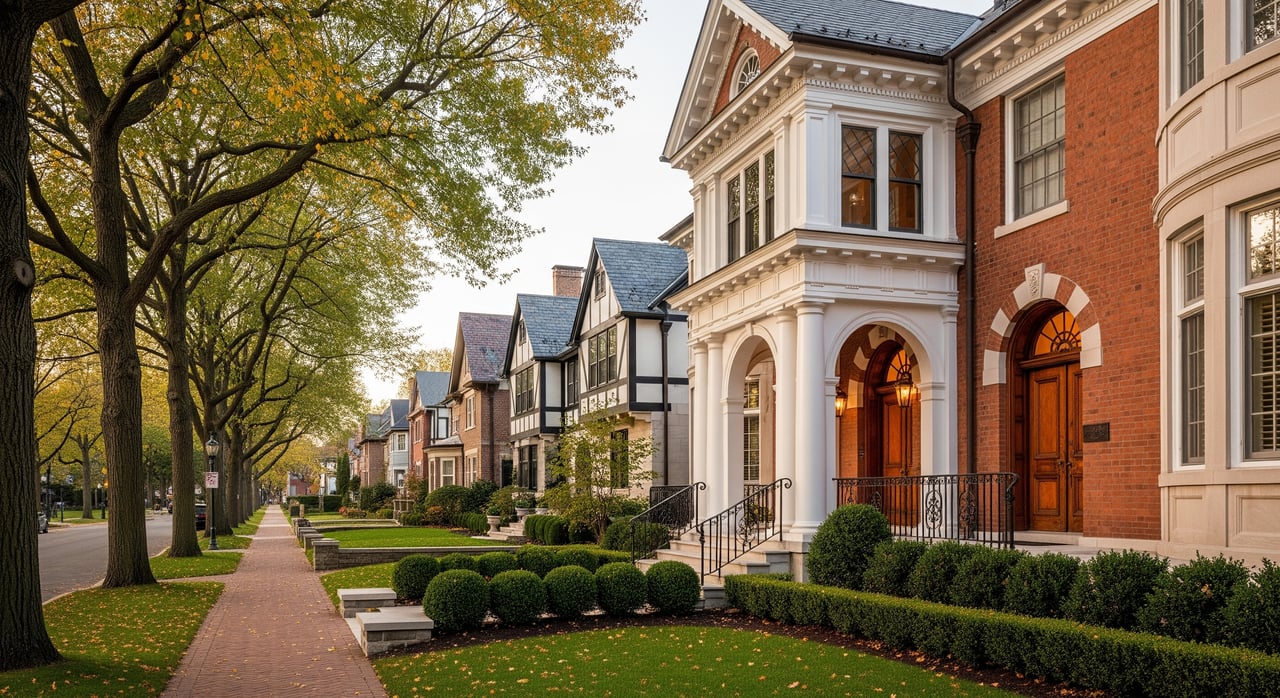
Grosse Pointe Park sits along Lake St. Clair and is known for tree‑lined streets and established neighborhoods. Many homes were built in the early to mid 1900s, which means architectural character is a big draw. Buyers here often prioritize proximity to the lake, walkability, the Grosse Pointe Public Schools district, and updated systems that respect original details.
Style also shapes value and marketing. Homes that preserve period features and pair them with thoughtful updates tend to attract more attention and stronger offers. Understanding your home’s style helps you plan upgrades, stage well, and speak to the right buyer pool.
Colonial Revival: timeless balance
How to identify a Colonial Revival
- Symmetrical or near‑symmetrical front façade with a central entry
- Side‑gabled roof, brick or wood cladding, and end or center chimneys
- Paneled front door with pediment or portico, often with sidelights or a fanlight
- Multi‑pane double‑hung windows like 6‑over‑6 or 9‑over‑9
Typical layout and craftsmanship
- Central hall with staircase; formal living and dining rooms
- Separate original kitchen, often opened to a family room in later renovations
- Hardwood floors, crown moldings, wainscoting, built‑ins, and plaster walls
Buyer checklist
- Windows: assess original wood windows for glazing, sash function, paint, and rot; note presence of storms
- Structure: check for settlement cracks near chimneys and confirm attic ventilation and roof framing
- Systems: confirm updated HVAC, electrical panel capacity, and insulation
- Interiors: look for intact moldings, balustrade, and original floors
What sellers should highlight
- Emphasize classical symmetry, mantels, and millwork in photos
- Balance charm and comfort: showcase modernized kitchens and baths with preserved trim
- Consider repairing original windows and using storms to improve performance
Tudor Revival: storybook character
How to identify a Tudor Revival
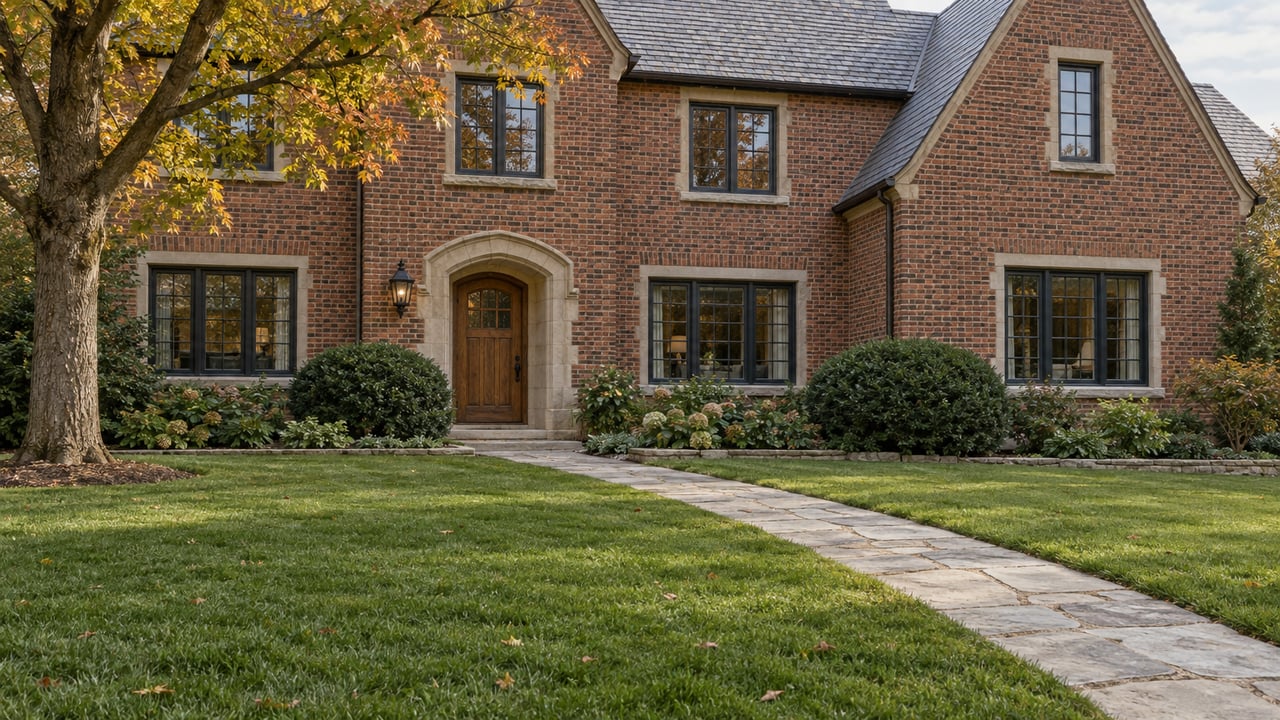
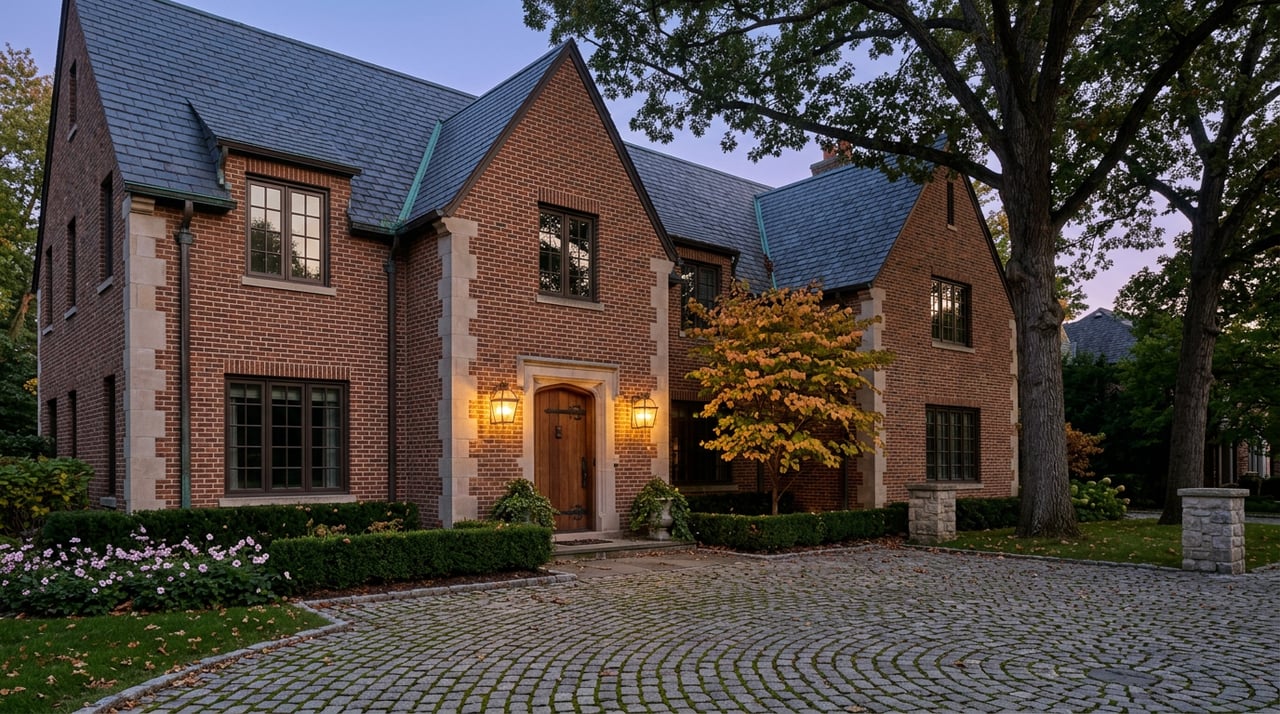
- Steep, multi‑gabled roofs with prominent cross gables
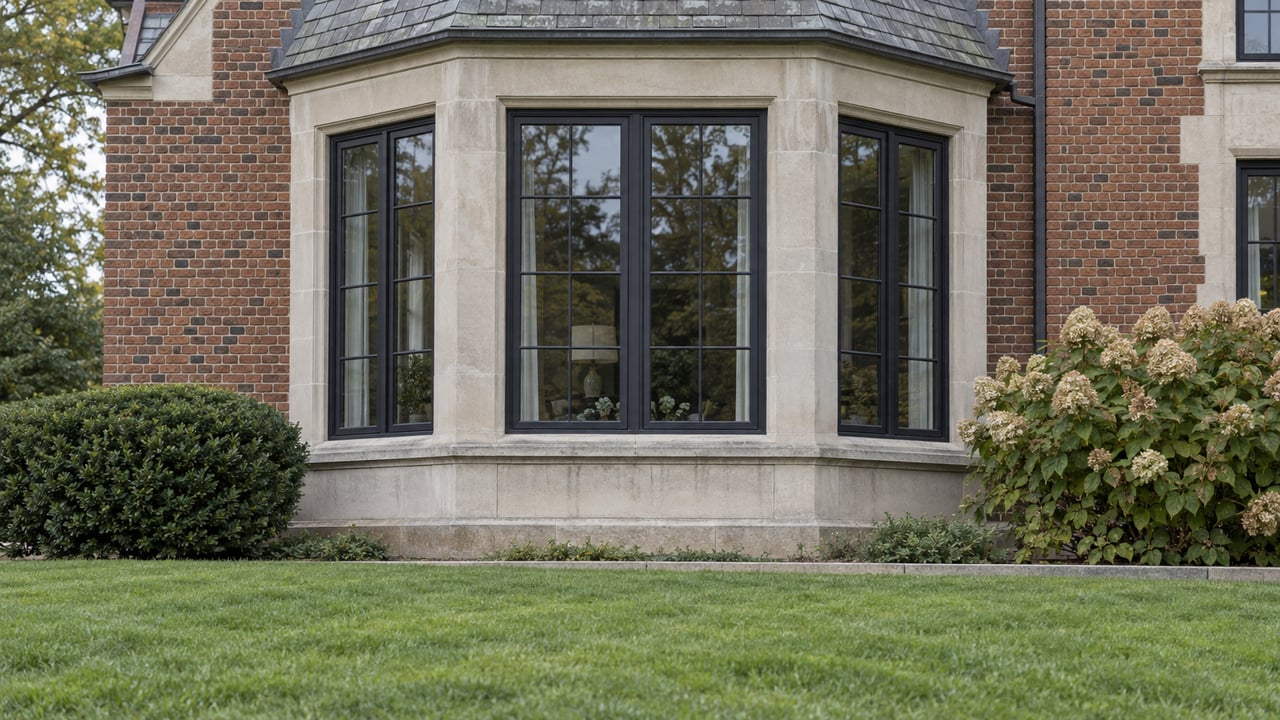
- Brick, stone, and stucco with decorative half‑timbering
- Arched or recessed entries, tall narrow windows, and ornate chimneys
Typical layout and craftsmanship
- Asymmetrical plans with cozy nooks and multi‑level interest
- Oak or dark wood trim, heavy beams, plaster walls, leaded glass, and ornate fireplaces
Buyer checklist
- Roofing: inspect complex rooflines and flashing at gable intersections
- Masonry: review mortar and brick or stone around chimneys and foundations
- Half‑timbering: check for rot and moisture behind stucco
- Windows: evaluate leaded or casement units; consider interior storms for efficiency
- Basements: look for signs of dampness or water entry
What sellers should highlight
- Showcase arched entries, fireplaces, leaded glass, and beams
- Note any professional restoration of windows, masonry, or exterior details
- Present updated kitchens and baths that respect the home’s character
Mid‑century: light, flow, and indoor‑outdoor living
How to identify mid‑century homes
- Low‑sloped or flat roofs with a horizontal profile
- Open floorplans, picture windows, sliding doors, and strong outdoor connections
- Brick and wood siding with minimal ornament and clean lines
Typical layout and craftsmanship
- Single‑level living common in ranches and ramblers
- Open living, dining, and kitchen zones; basements often used for rec or utility
- Built‑ins, clerestory windows, and original mid‑century fixtures may remain
Buyer checklist
- Foundations and drainage: confirm how water moves away from the house
- Energy: assess single‑pane windows and insulation levels
- Mechanical systems: verify age and capacity of heating and electrical service
- Roofing: inspect low‑slope roof membranes and flashing
What sellers should highlight
- Emphasize natural light, open flow, and patio or garden connections
- Preserve period cues like flat‑front cabinetry and simple hardware
- Stage with mid‑century or minimalist furnishings to show scale and clarity
Custom and eclectic: one‑of‑a‑kind living
How to identify custom or eclectic homes
- Unique rooflines, mixed materials, and custom masonry or millwork
- May be historic homes with significant remodels or contemporary infill
Typical layout and craftsmanship
- Tailored floorplans with generous family zones, offices, and garage solutions
- High‑end finishes and bespoke carpentry; sometimes nonstandard mechanicals
Buyer checklist
- Workmanship and permitting: verify structural changes, permits, and documentation
- Fit on the block: consider how additions align with neighborhood scale and setbacks
- Specialized systems: ask about warranties and service records
What sellers should highlight
- Showcase craftsmanship, amenities, plans, permits, and warranties
- Market turnkey updates and any energy‑smart features
- Use professional photography and clear floorplans in marketing
Systems that matter in every GPP home
- Roof, gutters, flashing, and attic ventilation to prevent leaks
- Foundation and basement: look for cracks, dampness, and confirm sump systems where present
- Electrical: service size, and presence of older wiring types in older homes
- Heating and cooling: age, efficiency, and distribution type
- Insulation and windows: focus on comfort and thermal performance
- Lot grading and drainage, especially near low areas or close to the lake
Preserve character while improving comfort
- Windows and trim: restoration and weatherstripping with interior or exterior storms can balance efficiency and appearance
- Kitchens and baths: updates that respect original scale and profiles tend to show and resell better
- Prioritize safety and structure: roofing, electrical, plumbing, and waterproofing should come before cosmetic work
- Comfort upgrades: attic air sealing, right‑sized high‑efficiency HVAC, and warm‑tone LED lighting for period fixtures
Navigating rules and preservation in the Park
Some streets in the Grosse Pointe communities have historic districts or local preservation overlays. Exterior changes may require a local review or a certificate of appropriateness. Pull permits for structural, major mechanical, and substantial exterior work. If you are considering tax credits for a designated historic property, contact the Michigan State Historic Preservation Office early to understand eligibility and standards.
Style, value, and marketing
- Buyer fit: Colonials draw those who love formal rooms and classic millwork. Tudors speak to buyers who want cozy rooms and fireplaces. Mid‑century homes attract single‑level living and open‑plan fans. Custom homes appeal to buyers seeking turnkey, high‑end features.
- Pricing levers: Preserve original details and pair them with tasteful kitchens and baths for strong returns. Over‑modernized interiors that ignore period character can limit appeal.
- Curb appeal: Visible exterior care like roofing, masonry, and paint has an outsized impact. Budget here for faster sales and stronger offers.
- Photography and staging: Lead with the front entry, stair, fireplace, built‑ins, and main gathering spaces. Choose furnishings that match the home’s style.
How to choose the right style for you
- Daily life: Do you prefer formal rooms or open flow? Single‑level living or stairs?
- Natural light: Are large picture windows and indoor‑outdoor spaces a priority?
- Project appetite: Will you restore windows and trim, or do you want turnkey?
- Budgeting: Plan for systems and energy upgrades, not just cosmetics.
- Neighborhood fit: Consider how the home aligns with the block’s character.
Preparing to sell: quick checklist
- Refresh and repair: Neutral paint, clean landscaping, and minor exterior fixes
- Showcase character: Millwork, leaded glass, beams, mantels, built‑ins
- Update with care: Kitchens and baths that respect scale and trim
- Document improvements: Permits, warranties, service records, and plans
- Stage for style: Traditional for Colonial and Tudor, minimalist for mid‑century, elevated neutral for custom
Ready for expert guidance?
If you are comparing styles, planning updates, or timing a sale in Grosse Pointe Park, you deserve a local, boutique strategy that puts your goals first. From valuation to premium marketing, you get hands‑on advice tailored to your home’s architecture and your timeline. Let’s talk about your next move with Closing and Toasting with Megan Prieur.
FAQs
What should I inspect first in older Grosse Pointe Park homes?
- Start with roof, drainage, foundation, electrical service, and HVAC age before moving to windows, insulation, and cosmetics.
Do I need approval for exterior changes in Grosse Pointe Park?
- Some areas have historic review or local overlays, so you may need a certificate of appropriateness and permits for substantial exterior work.
Should I restore or replace original windows?
- Restoration with weatherstripping and storm windows often preserves character and improves comfort; replace only when repair is not feasible.
How does architectural style affect resale value?
- Authentic, well‑maintained details paired with tasteful updates tend to attract more buyers and support stronger pricing.
Are there tax credits for historic home work in Michigan?
- State and federal credits may apply only to designated historic properties that follow specific rehabilitation standards; consult the Michigan SHPO early.
What quick updates help a historic or mid‑century home sell faster?
- Neutral paint, exterior maintenance, decluttering, sympathetic lighting, and kitchens or baths updated in a style‑appropriate way.