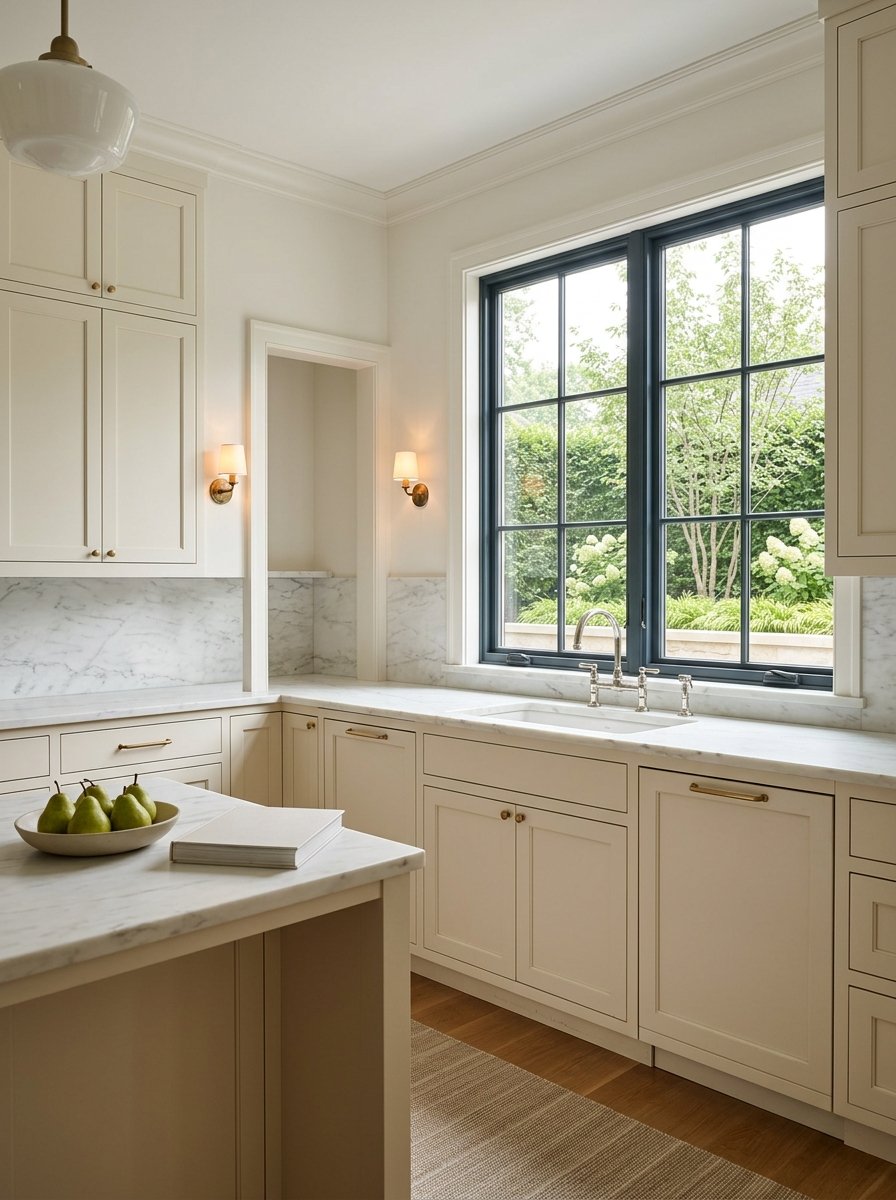
Buying a Home in Birmingham MI: Charm or New Build?
June 18, 2026
June 18, 2026
If you are shopping in Birmingham, one question can shape your entire search: do you want the texture and character of an older home, or the ease and efficiency of a newer one? It is a meaningful choice in a city where high home values, a largely owner-occupied market, and a housing stock with both older homes and limited recent construction create real tradeoffs. By the end of this guide, you will have a practical way to compare historic charm and new-build convenience so you can focus on the fit that makes the most sense for your lifestyle and budget. Let’s dive in.
Birmingham is not a market where one housing style clearly dominates. According to 2020 to 2024 ACS data, 77.1% of housing units are owner-occupied, and the median owner-occupied home value is $698,300.
That price point alone makes buying decisions feel more consequential. You are not just picking finishes or floor plans. You are deciding how much flexibility, maintenance, oversight, and future upgrading you want to take on.
The local housing mix also makes the decision more nuanced. A secondary ACS-based housing profile shows that 15.9% of homes were built in 1939 or earlier, 23.9% were built in the 1950s, and only 1.4% were built in 2020 or later.
In plain terms, Birmingham gives you a genuine historic-versus-new-build decision. That is part of the appeal, but it also means you need a sharper evaluation process before you write an offer.
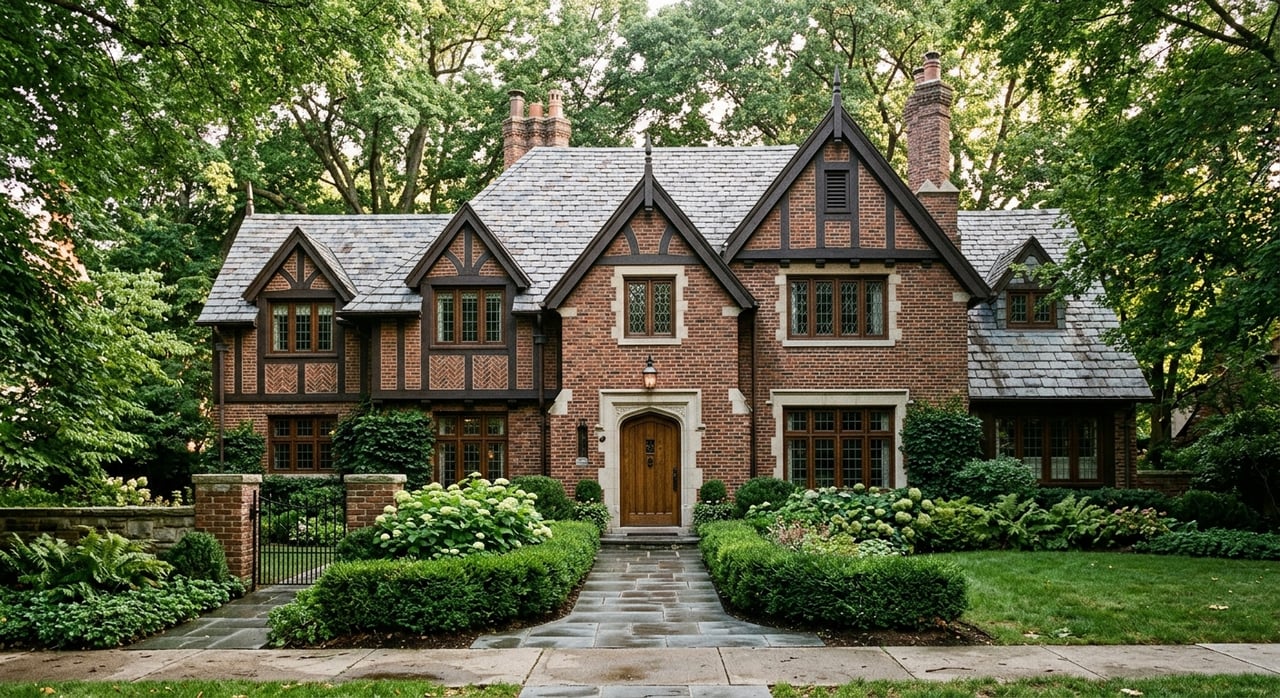
Historic homes in Birmingham often attract buyers who want architecture, detail, and a sense of place. In many cases, they also come with mature landscaping that shapes the feel of the property from the moment you arrive.
That landscaping can add more than beauty. Birmingham’s tree manual notes that landscaping can help reduce stormwater runoff and heat buildup, and that mature trees can increase property values.
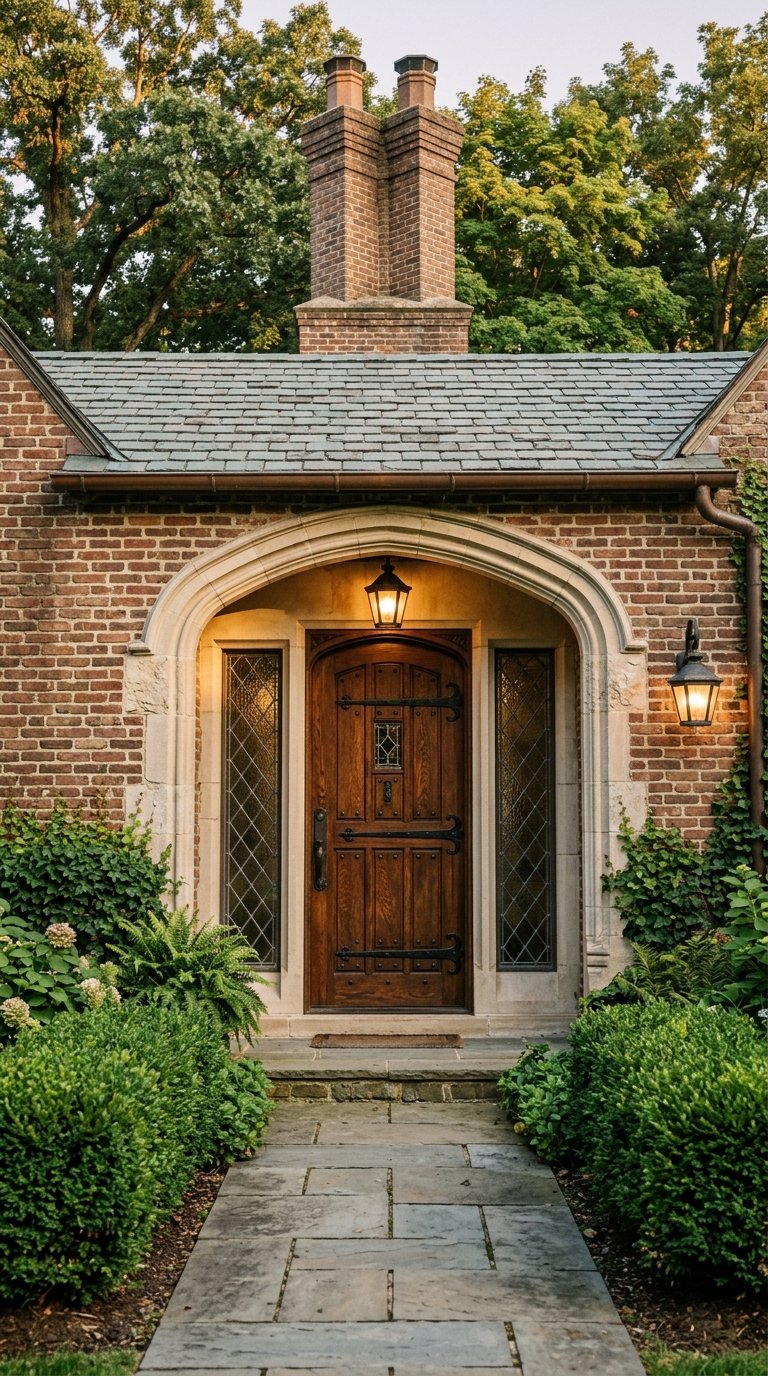
For many buyers, that combination is hard to replicate. Older homes may offer established streetscapes, larger trees, and architectural details that create an immediate sense of character.
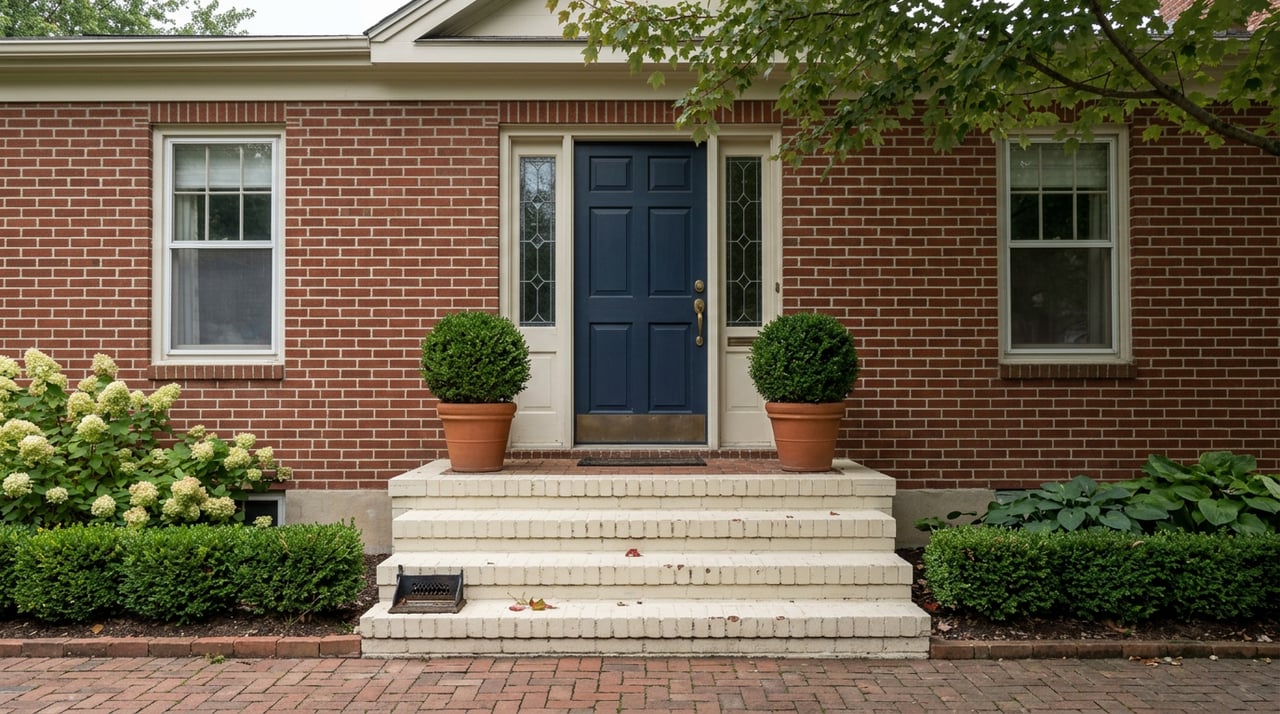
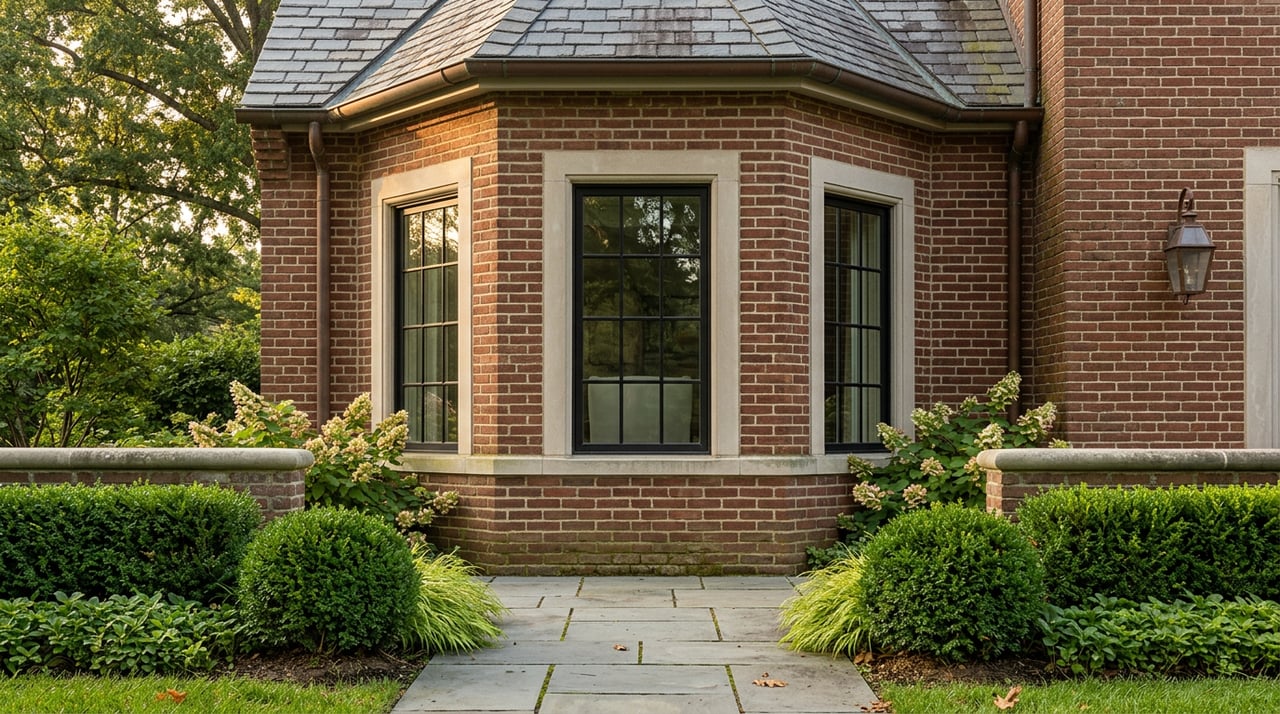
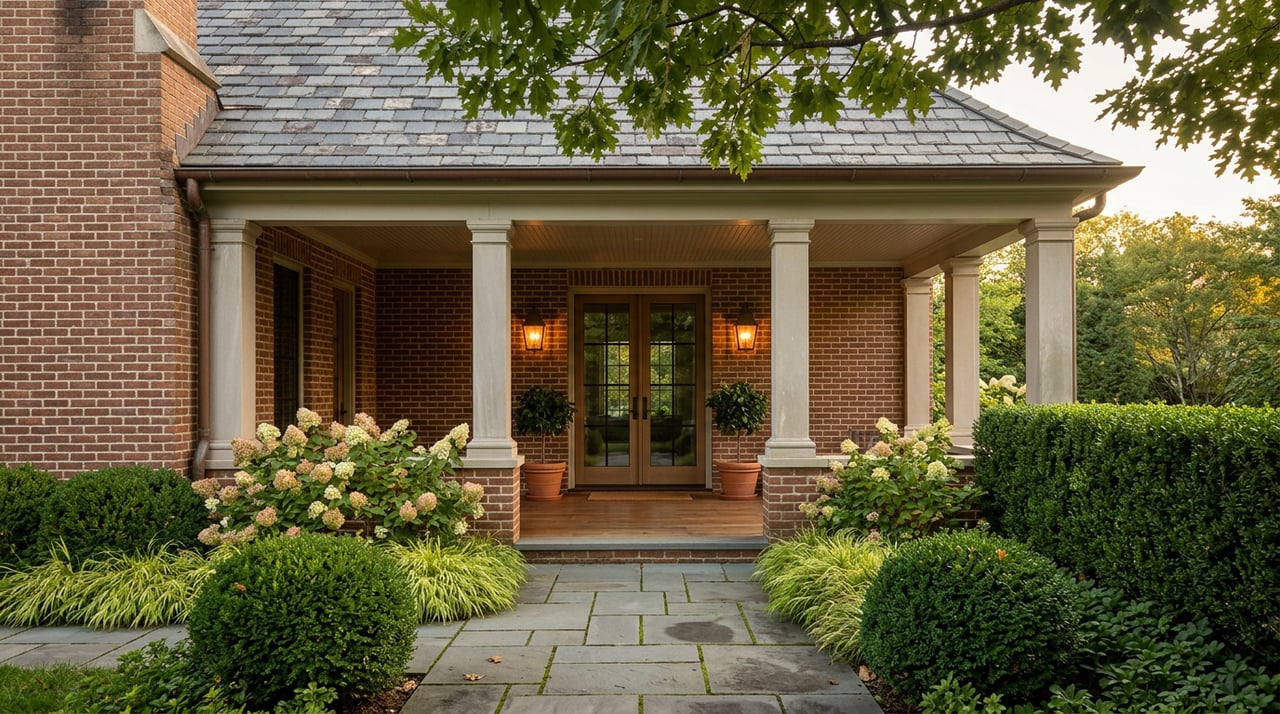
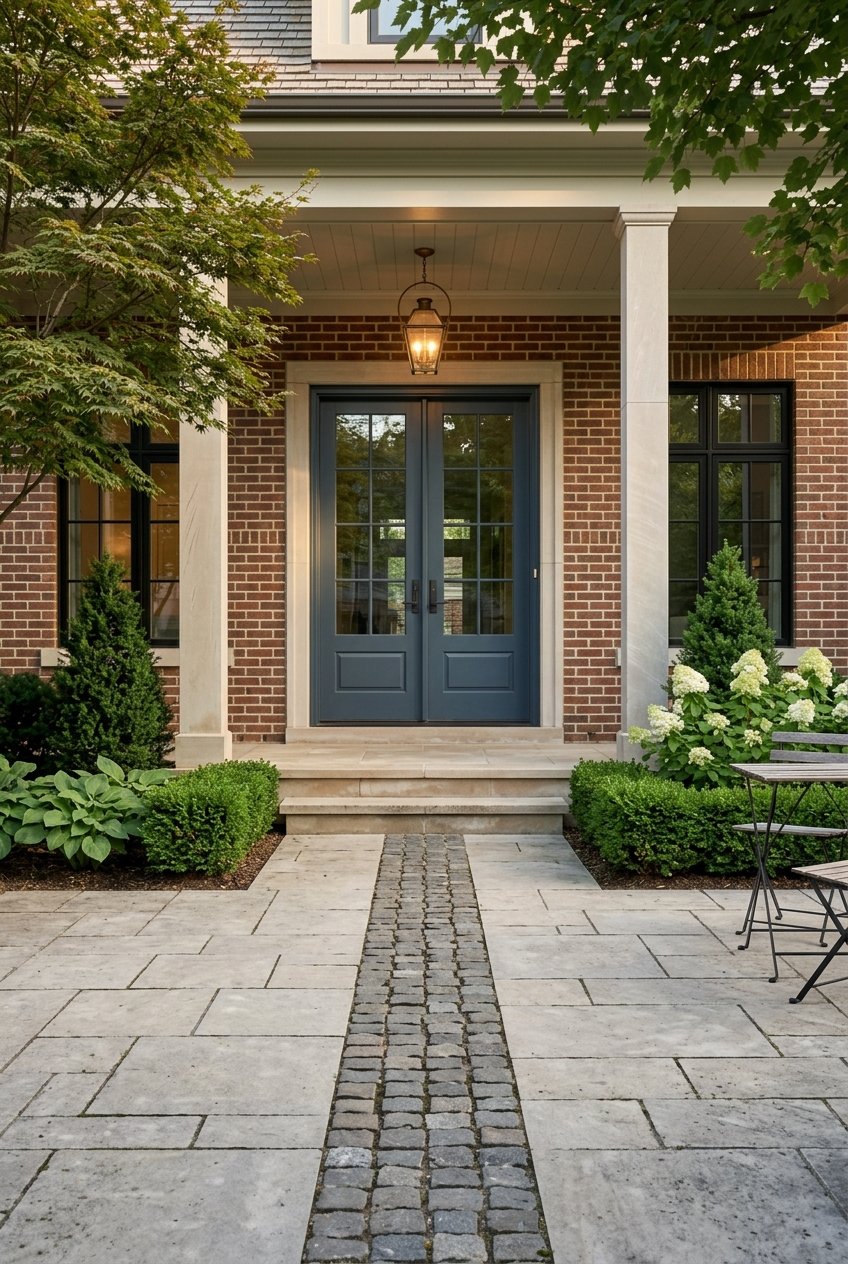
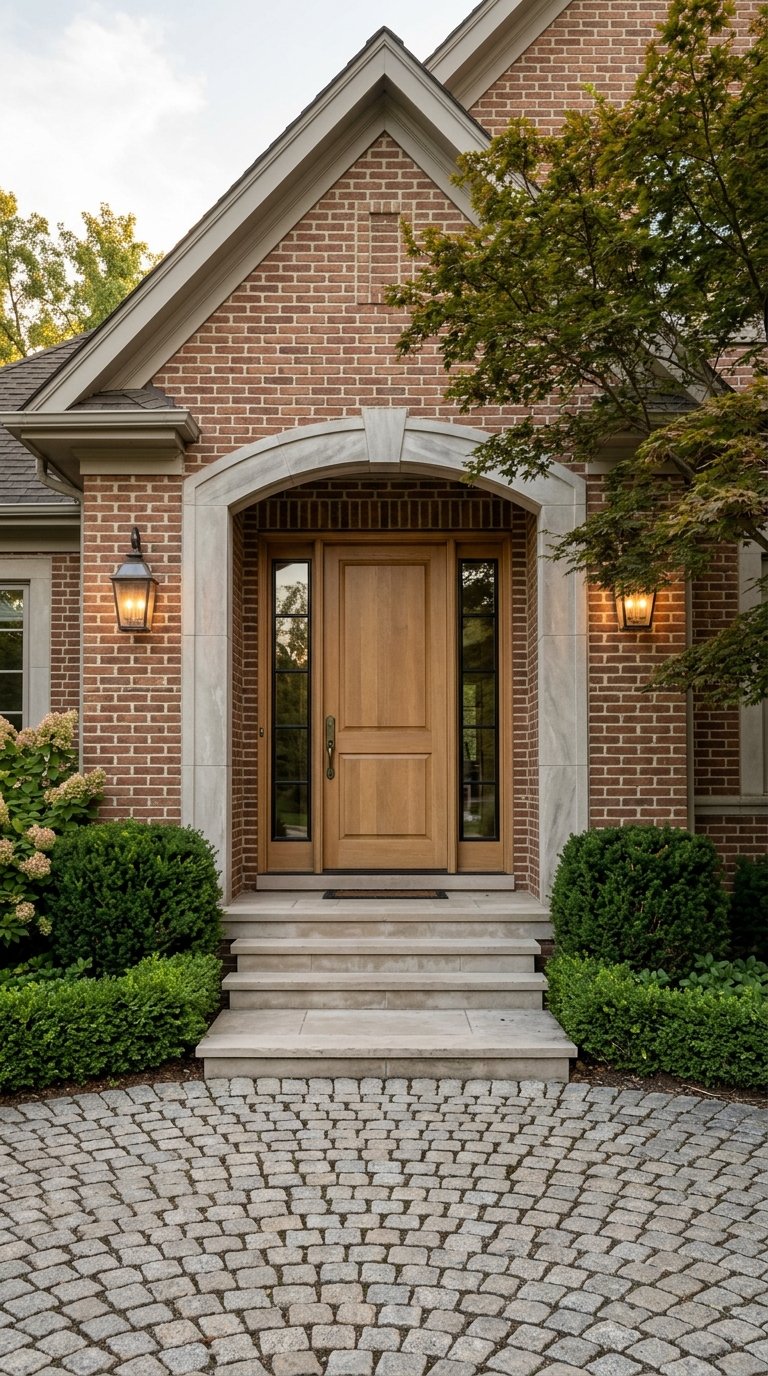
When people talk about charm, they are usually reacting to the full setting, not just the house itself. A brick exterior, traditional proportions, deep setbacks, and established greenery can create a feeling that newer construction may take years to develop.
In Birmingham, that visual appeal matters because redevelopment and preservation often happen side by side. The city is actively updating its zoning ordinance to modernize standards, while the Historic District Commission has been working on design guidelines to create more consistency for preservation review.
If a home is in a local historic district, exterior changes may involve another layer of review. Under Michigan’s Local Historic Districts Act, exterior work in a local historic district requires approval from the historic district commission.
That does not mean you should avoid a historic property. It does mean you should go in with clear expectations if you hope to change windows, modify exterior details, or make visible additions.
Charm should never keep you from asking practical questions. Older homes often have more deferred energy-related work than newer ones.
The U.S. Department of Energy says many older homes have less insulation than homes built today and recommends energy assessments, air sealing, and added insulation to improve comfort and reduce utility bills. In Birmingham, that means a beautiful older home may still need upgrades behind the walls, in the attic, or around windows and doors.
If you are drawn to a historic property, budget planning matters as much as aesthetics. A home can feel move-in ready at first glance while still needing meaningful improvement to comfort and efficiency.
The biggest question is often not whether the home has charm. It is whether original details have been preserved alongside thoughtful system updates, or whether the next owner will need to handle those projects.
Before you move forward, take a close look at items like:
These issues do not automatically make an older home a poor choice. They simply help define the true cost of ownership beyond the purchase price.
New construction appeals to buyers who want a more current layout, newer systems, and fewer near-term maintenance surprises. In Birmingham, that can be especially attractive if you value efficiency and day-one livability.
From a performance standpoint, newer homes often have an advantage. The Department of Energy says minimizing air leakage is key to an energy-efficient home, and its Efficient New Homes program certifies homes that meet rigorous performance criteria.
That often translates into a different daily experience. You may find a more open floor plan, better insulation, and a tighter building envelope that helps with comfort and operating costs.
In Birmingham, new construction is not just a design conversation. It often starts earlier, with rules around demolition, permitting, and site conditions.
The city requires a demolition permit for complete or partial demolition of a residential structure, along with utility disconnect notices, a survey, neighbor notice, photos, and an asbestos survey or clearance. That is important context if you are buying a newly built home on a redeveloped lot or considering a teardown opportunity.
Birmingham’s planning materials note that original platted lot lines matter. They also state that a destroyed single-family home may be rebuilt on a single platted lot if zoning requirements are met, and that changing parcel boundaries can require City Commission approval.
That means the story behind a new build matters. If a project involved lot changes, demolition, or redevelopment, you want to understand those conditions early rather than assume the property is straightforward because it is new.
One of the biggest local nuances in Birmingham is that site work matters almost as much as the structure itself. The city says its zoning and tree preservation ordinances are designed to balance redevelopment with tree protection.
That protection has teeth. According to the city’s tree manual, construction can be stopped or occupancy withheld if tree protection requirements are not met.
For buyers, this matters in two ways. First, it helps explain why mature landscaping remains such a valuable feature in Birmingham. Second, it reminds you that new construction still operates within local rules that shape what can be built and how a lot can change over time.
If you are deciding between the two, it helps to move beyond style and think about how you actually want to live. In Birmingham, the better choice is often the one that aligns with your priorities for maintenance, layout, energy use, and long-term plans.
Here is a simple way to frame it.
Historic homes can be a strong fit when you love the setting as much as the square footage. They tend to appeal to buyers who see beauty in craftsmanship and understand that preserving charm may come with added planning.
New homes can be a strong fit when function leads the decision. If you want efficient systems, contemporary flow, and fewer immediate upgrade projects, a new build may feel like the simpler path.
Even if you plan to stay for years, resale discipline still matters. Features that improve how a home lives day to day often help it compete later too.
The research suggests that layout and operating costs deserve special attention. In Birmingham, the strongest resale candidates are often the homes that pair a livable layout with visible efficiency improvements.
That can show up in different ways depending on the property type. In an older home, it may mean upgraded insulation, improved windows, or better heating and cooling performance. In a newer home, it may mean a smart floor plan and clear attention to building-envelope quality.
In a market like Birmingham, your home search works best when you look past surface appeal and ask sharper questions. A beautiful old house and a polished new build can both be great choices, but for very different reasons.
As you tour homes, try to compare them through the same lens:
When you use that framework, the decision becomes less emotional and more useful. You can still fall in love with a home, but you will do it with your eyes open.
Birmingham offers both heritage and reinvention, and that is part of what makes buying here so interesting. If you want help weighing charm, condition, layout, and long-term value in Birmingham or nearby Oakland County communities, Closing and Toasting with Megan Prieur can help you buy with more clarity and confidence.
Buying a home will likely be one of the most expensive purchases of your life and selling your home can be an incredibly emotional experience. When you're making a tough life decision like this, it's imperative that you're working with someone you can depend on, who will be available at a moments notice, and who puts you first.