Living in Royal Oak MI: Is This the Right Fit?
June 4, 2026
June 4, 2026
Curious why so many Metro Detroit buyers keep Royal Oak on their shortlist? For many people, it hits a rare balance: a lively downtown, established neighborhoods, and everyday convenience in one place. If you are thinking about moving here, this guide will help you understand how Royal Oak feels day to day, what housing looks like, and why the city continues to draw buyers who want both energy and comfort. Let’s dive in.
Royal Oak is an inner-ring suburb of Detroit with a 2025 estimated population of 57,583 across 11.79 square miles. It offers a close-in location with a mean travel time to work of 23.8 minutes, which is part of its appeal for people who want suburban living without feeling far removed from the region’s activity.
What stands out most is the way the city blends a traditional neighborhood feel with a very active downtown. Royal Oak describes itself as maintaining a small-town feel while offering big-city amenities, and that combination shows up in both the streetscape and the pace of daily life.
Downtown Royal Oak is one of the city’s biggest draws. Official downtown materials describe a pedestrian-friendly core with brick paving, street furniture, outdoor patios, and tree and flower plantings, which gives the area a polished but approachable feel.
If you like being able to step out for coffee, dinner, or an event without planning your whole evening around a car, Royal Oak has real appeal. The downtown area includes hundreds of locally owned businesses, restaurants, cafés, nightlife venues, and year-round events.
The city’s entertainment options are also unusually concentrated for a place this size. Downtown listings include Comedy Castle, Emagine, Five15, Main Art Theatre, Royal Oak Music Theatre, and Stagecrafters Baldwin Theatre, along with recurring community events like Arts, Beats & Eats, the Royal Oak Outdoor Art Fair, the Royal Oak Symphony Orchestra, and summer concerts.
For some buyers, that means Royal Oak feels lively without needing to leave town for a night out. For others, it means you can enjoy the energy of downtown and still come home to a quieter residential street a few minutes away.
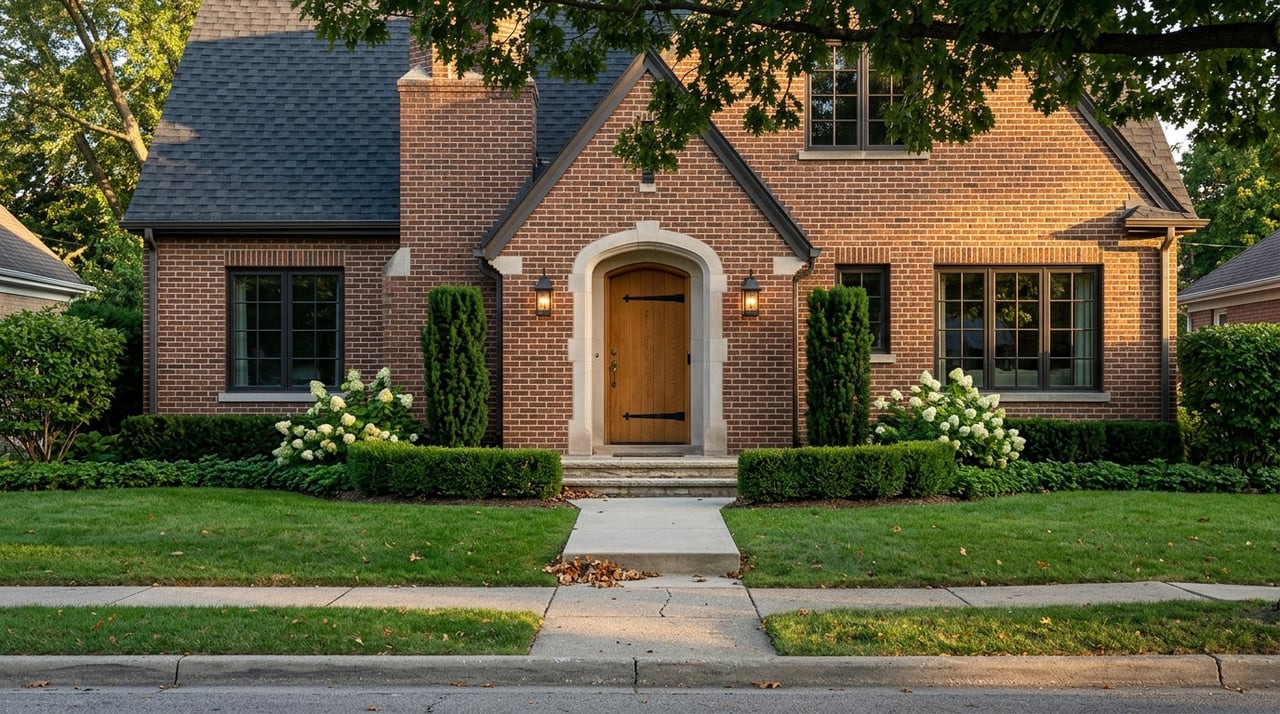
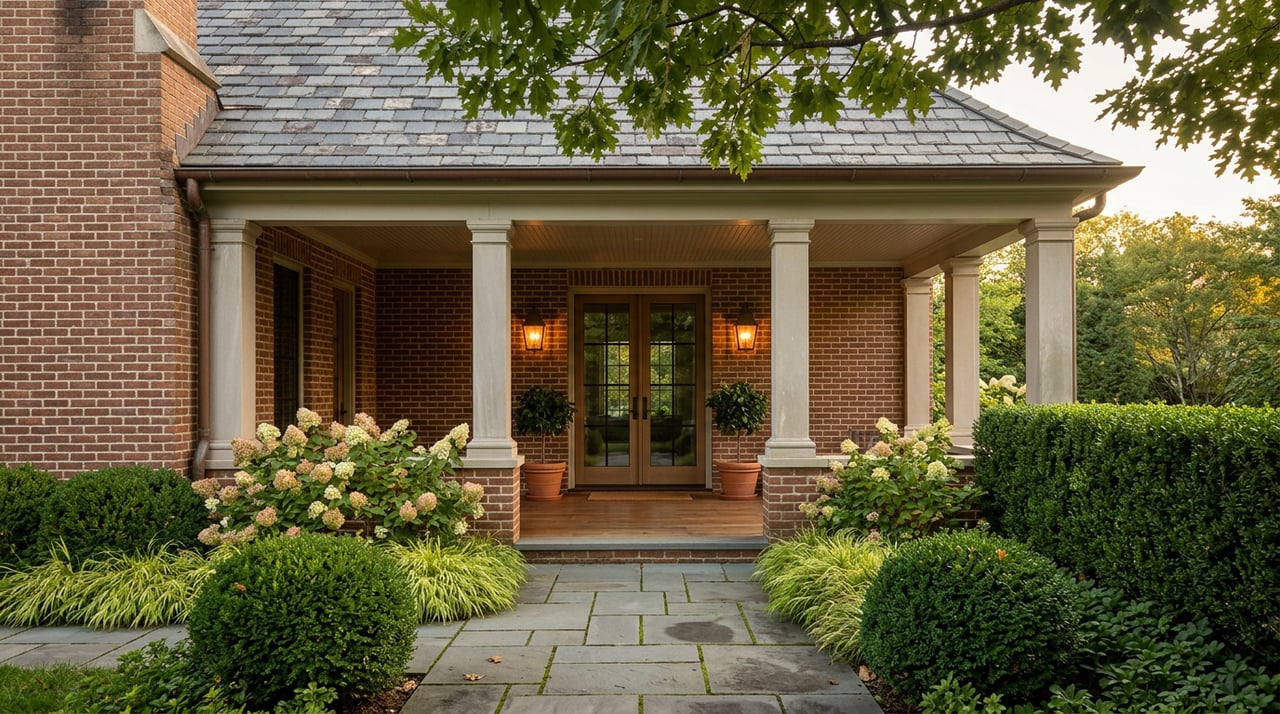
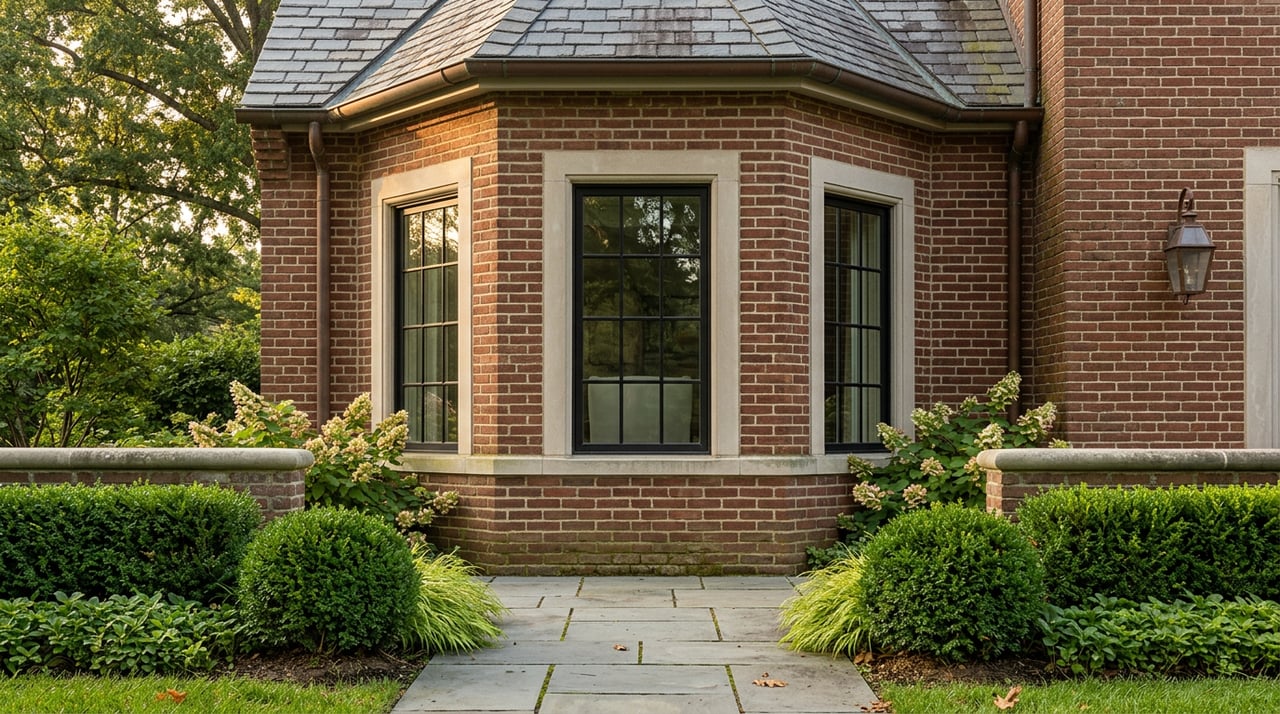
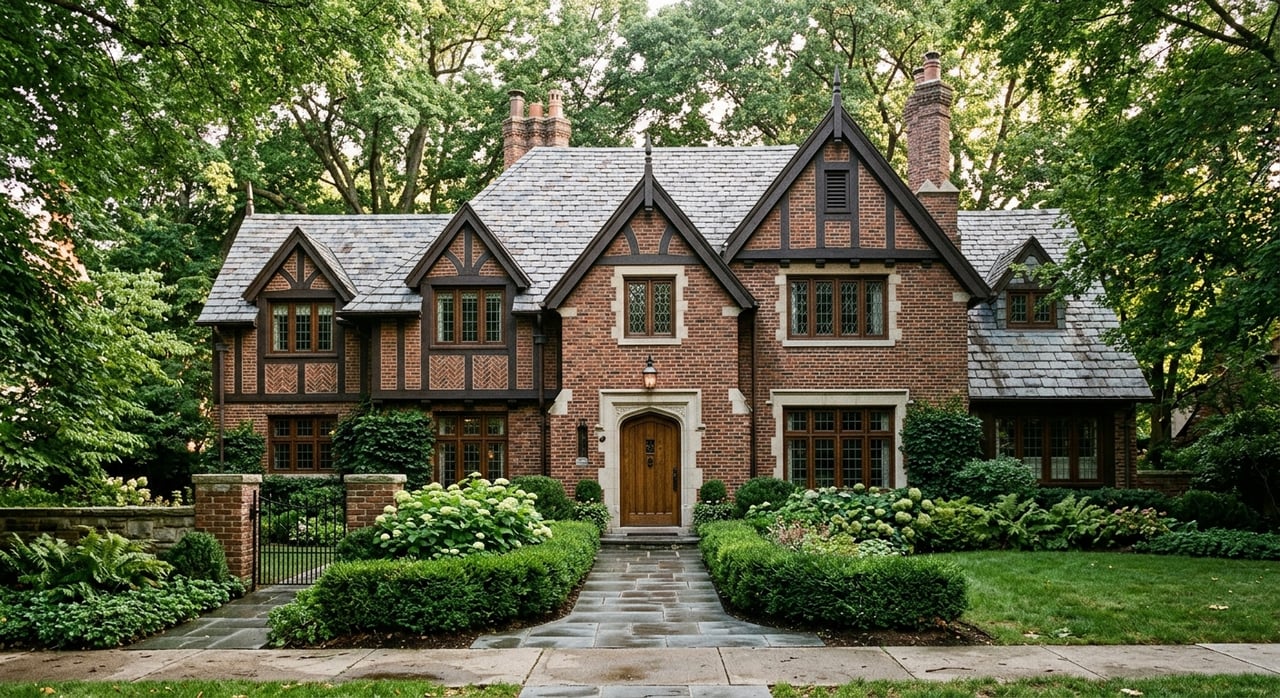
One of the most consistent themes in Royal Oak is its established residential feel. The city maintains 15 historic districts, and its Neighborhood Design Plan notes that the combination of location, commercial district, and homes with character has helped create strong demand for local housing.
Royal Oak also leans into its identity as a tree-filled city. It has been recognized as a Tree City USA community every year since 1976, and the city reports roughly 31% tree cover.
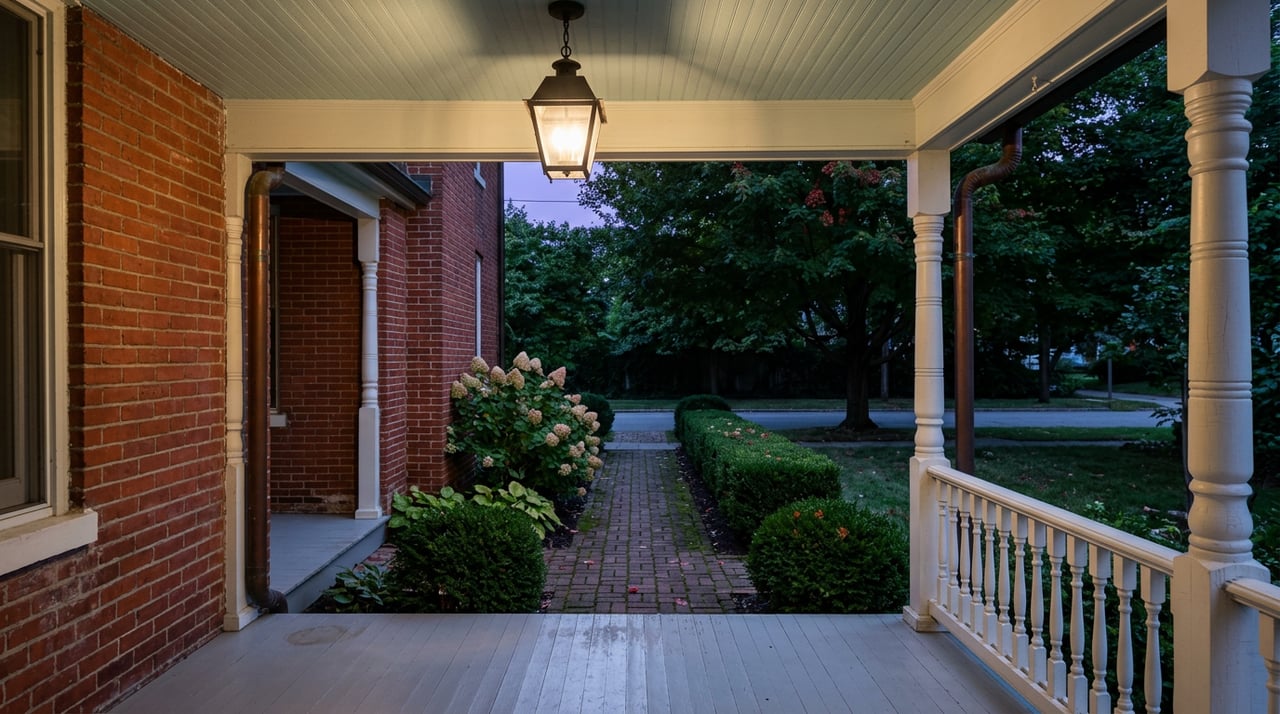
That matters in everyday life because the neighborhood setting is a big part of what people respond to here. The city notes that many residential streets are lined with large trees on both sides, often meeting overhead, which helps create that classic Royal Oak look buyers often picture.
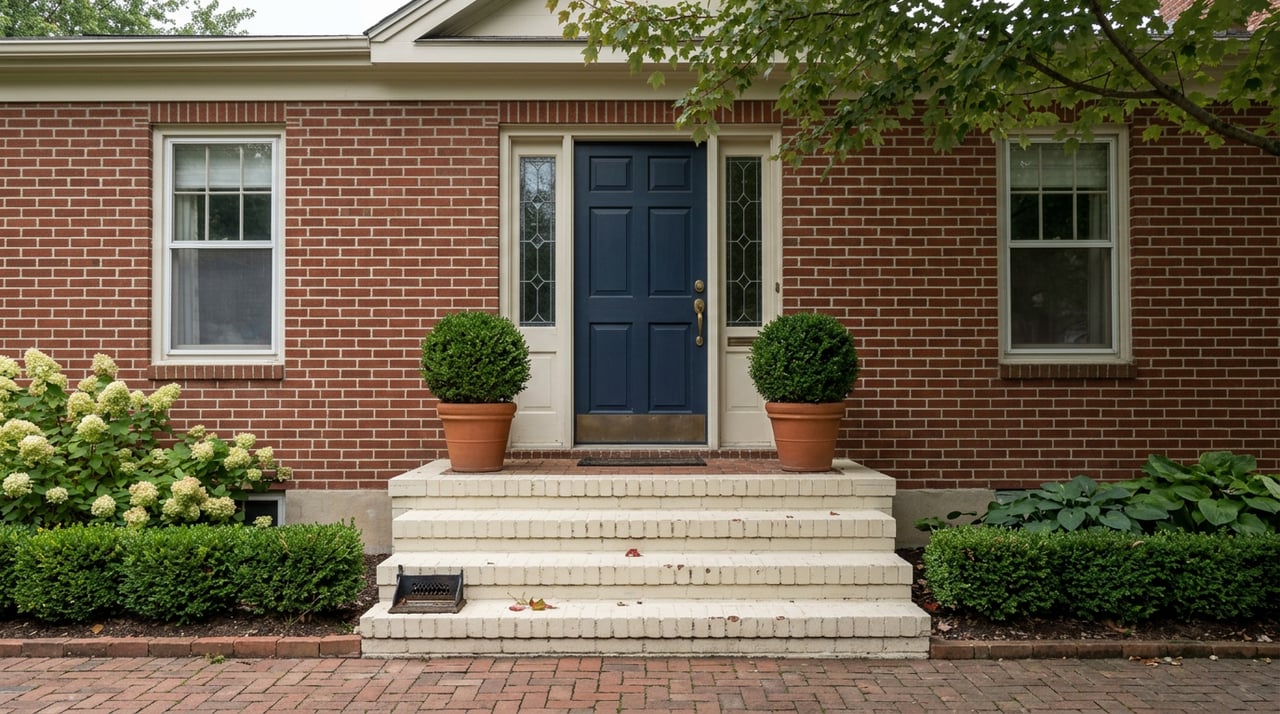
If you are wondering what kind of housing stock you will find, Royal Oak offers a mix rather than a single look or lifestyle. The city’s appeal comes in part from the blend of older homes with character and newer options that support a more low-maintenance lifestyle.
Downtown living is part of that mix, with the city identifying condos, lofts, apartments, and senior co-ops among its housing choices. Named examples include The Fifth, SkyLofts, Urbane, Barton Towers, Main North Lofts, Royal Oak Manor, and Troy Street Lofts.
At the same time, Royal Oak’s established neighborhoods are a major part of its identity. That gives buyers a chance to weigh different priorities, whether you want a walkable downtown setup, a traditional residential street, or something in between.
Royal Oak’s housing and income data help explain why it stays in demand. According to the U.S. Census Bureau, the city has a 68.0% owner-occupied housing rate, a median owner-occupied home value of $328,700, a median gross rent of $1,381, and a median household income of $101,109.
Those figures suggest a market with a strong ownership base and a broad mix of residents, from first-time buyers and move-up buyers to downsizers and relocating professionals. In practical terms, Royal Oak tends to attract people who want convenience, neighborhood character, and access to amenities in one package.
Location is one of Royal Oak’s strongest everyday benefits. The city is close to I-696, I-75, and Woodward Avenue, which helps connect residents to other parts of Metro Detroit.
Public and local transportation options add flexibility. SMART serves the city daily, and the Connector offers local transportation by appointment.
If you prefer biking or walking for shorter trips, Royal Oak supports that too. The city maintains signed bike routes, shared lanes, dedicated bike lanes, a MoGo docking station, and a citywide bike routes map, while downtown’s dense street grid and frequent crossings make it especially comfortable to navigate on foot.
Driving downtown is also more manageable than many people expect because Royal Oak supports the area with public parking structures rather than relying only on street parking. That can make spontaneous trips downtown easier, whether you are meeting friends, grabbing dinner, or heading to an event.
Royal Oak is not just about downtown. The city has more than 50 recreation facilities and 51 parks, including urban plazas, mini-parks, neighborhood parks, community parks, and nature parks.
That variety gives you options depending on how you like to spend your time. You might be looking for a neighborhood green space, a wooded area for a quieter walk, or a more active community setting.
Cummingston Park and Tenhave Woods are each more than 20 acres, heavily wooded, and open daily from dawn to dusk. The city also highlights Centennial Commons, Memorial Park, Upton Park, the golf course, the community center, the senior community center, and John Lindell Ice Arena.
And of course, one of the area’s best-known destinations is right here too. The Detroit Zoo sits in Royal Oak at Woodward and 10 Mile, adding another familiar landmark to everyday life in the city.
Part of Royal Oak’s appeal is that ordinary weekends can feel easy and full. The Royal Oak Farmers Market runs every Saturday year-round, operates as an antiques and collectibles market on Sundays, and hosts a food truck rally on the second Wednesday of each month beginning in April.
That kind of routine matters more than people often expect when choosing where to live. It creates built-in places to go, familiar rhythms to return to, and a sense that there is usually something happening without needing a major plan.
For adults 21 and older, the downtown Social District also adds a distinct layer to the experience, with designated to-go drinks allowed in shared downtown areas including Centennial Commons. It is one more example of how the city supports a lively, social downtown environment.
For buyers who want to understand the public school landscape, Royal Oak Schools serves the city with about 5,000 students across nine schools. The district includes six elementary schools, one middle school, one high school, Churchill Community High School, early childhood, and alternative programs.
The district also highlights advanced learning, fine arts, and career and technical education as part of its offerings. If schools are a key part of your move, Royal Oak gives you a clearly defined district structure to review as you narrow your options.
Royal Oak often appeals to buyers who want something between several Metro Detroit lifestyles. Compared with nearby suburbs, it overlaps with places like Ferndale and Birmingham in terms of walkability, dining, and downtown activity.
What makes Royal Oak feel distinct, based on official city and downtown profiles, is the combination of that active downtown with tree-lined residential streets, the farmers market, and a broader range of downtown living options. In other words, it is not only about restaurants and nightlife. It is also about having an established neighborhood setting that still feels connected to everything.
Royal Oak can make sense for a wide range of buyers because it offers several lifestyles in one city. If you want a neighborhood with character, easier regional access, and a downtown you will actually use, it is easy to see the appeal.
Many buyers are drawn to Royal Oak because it gives them choices. You can prioritize walkability, look for a home on a tree-lined street, explore condo or loft living, or find a place that keeps you close to work, parks, events, and everyday amenities.
That flexibility is a big reason Royal Oak stays relevant year after year. It offers a lifestyle that feels established, active, and convenient without losing the sense of place that makes a community memorable.
If you are considering a move to Royal Oak or comparing it with other inner-ring suburbs, having the right local guidance can make the search much clearer. When you are ready to talk through neighborhoods, lifestyle fit, or your next move, connect with Closing and Toasting with Megan Prieur.
Buying a home will likely be one of the most expensive purchases of your life and selling your home can be an incredibly emotional experience. When you're making a tough life decision like this, it's imperative that you're working with someone you can depend on, who will be available at a moments notice, and who puts you first.