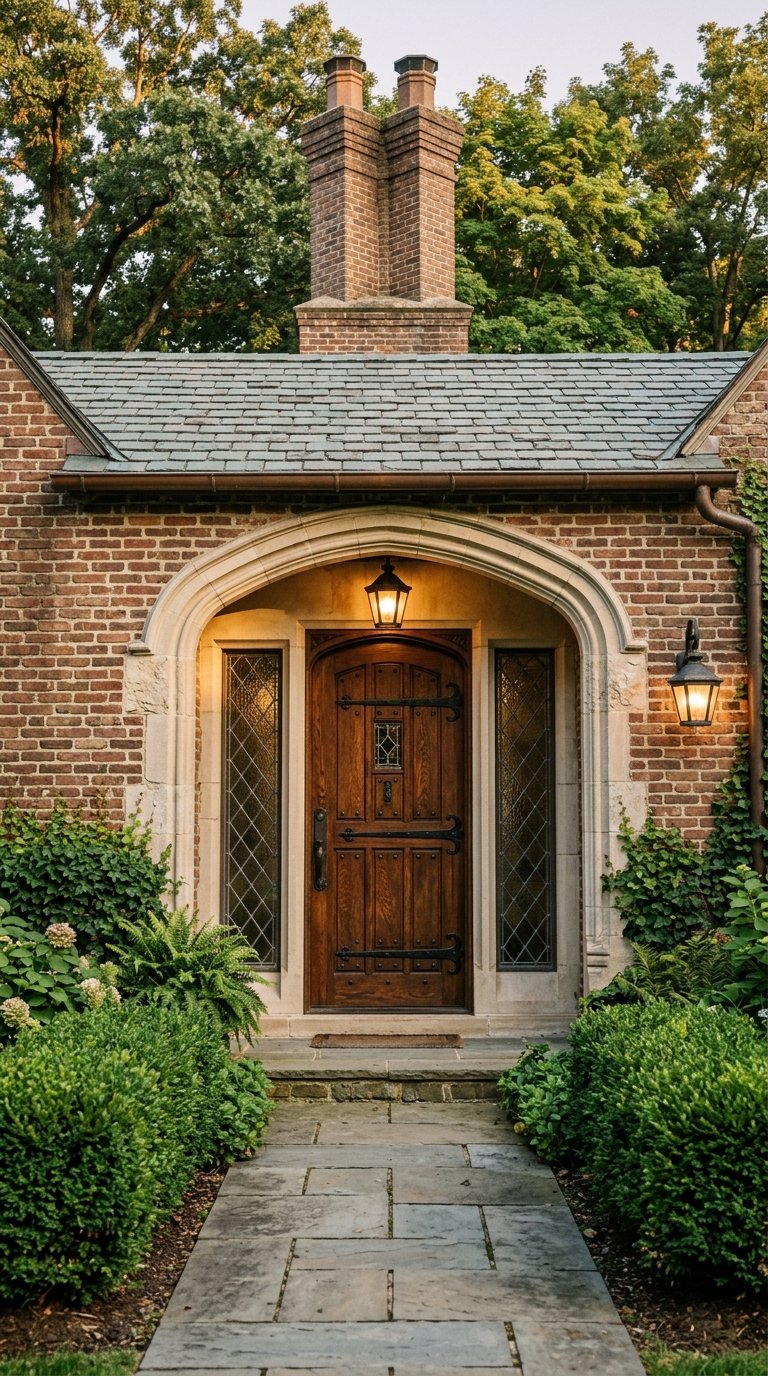
How to Sell a Character Home in Grosse Pointe Park
July 9, 2026
July 9, 2026
If you are selling a character home in Grosse Pointe Park, your biggest advantage may not be a long list of updates. It may be the very details that make the home feel rooted in place, from original masonry and dormers to a gracious porch or alley-access garage. When buyers are shopping in a city known for older housing stock and distinct architectural styles, the way you market those features matters. Here is how to position a Grosse Pointe Park character home so its history reads as value, not guesswork. Let’s dive in.
Grosse Pointe Park has some of the oldest overall housing stock in the five Grosse Pointe cities, according to Wayne County. The city sits about 6 miles east of downtown Detroit and offers a residential setting that can appeal to local move-up buyers and commuters alike.
The physical feel of the city is part of the appeal. Wayne County describes a street grid that flows out of Detroit, with housing that ranges from brick single- and multi-family homes to lakeshore mansions. On the west side, mixed-use blocks place retail and other everyday destinations within walking distance.
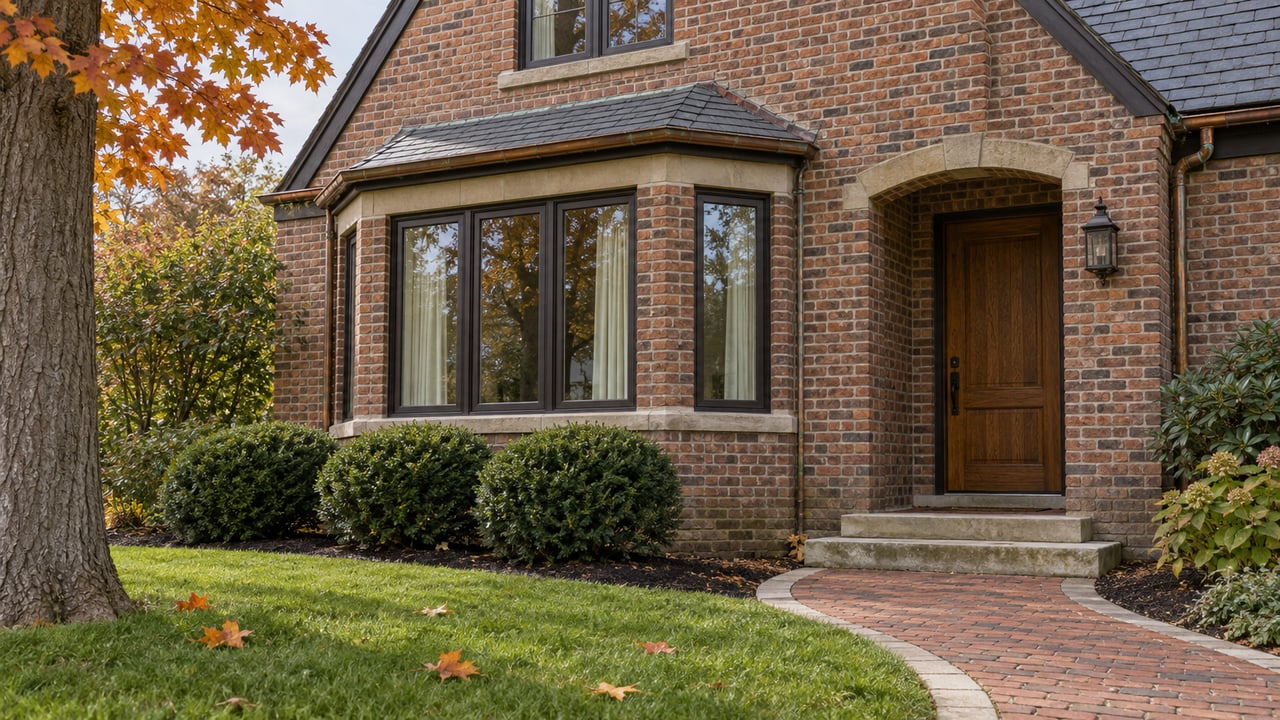
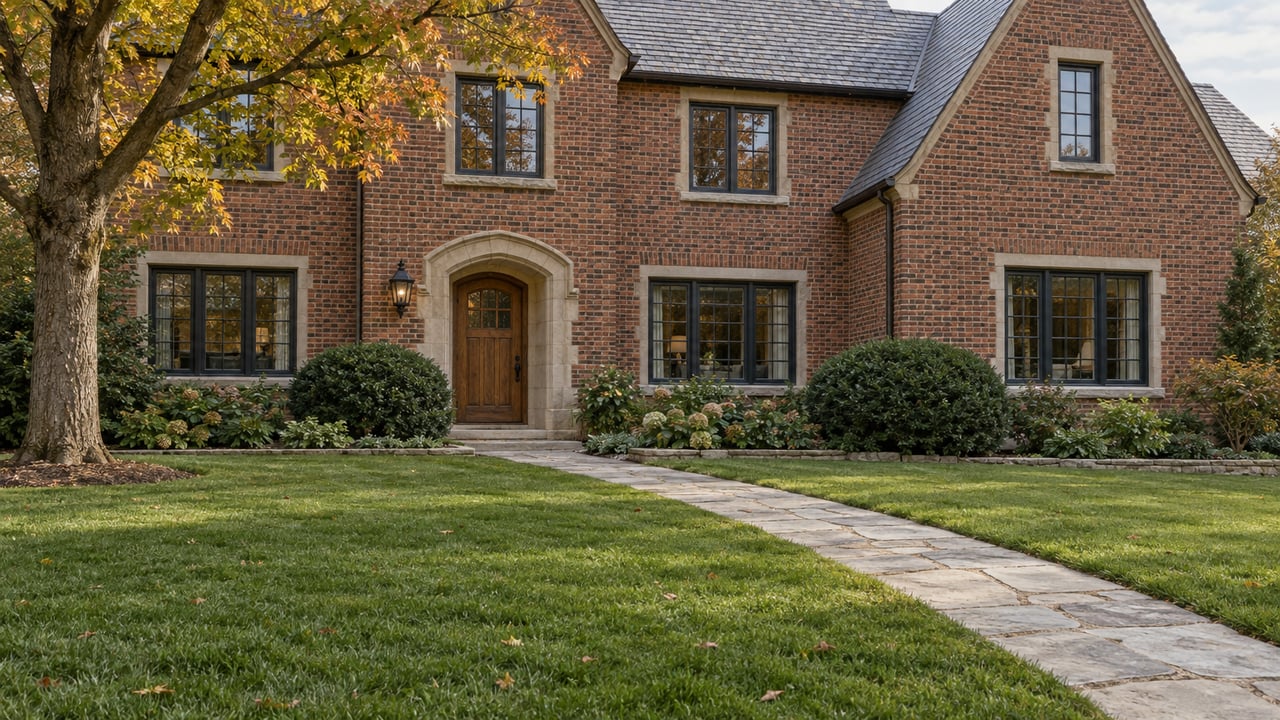
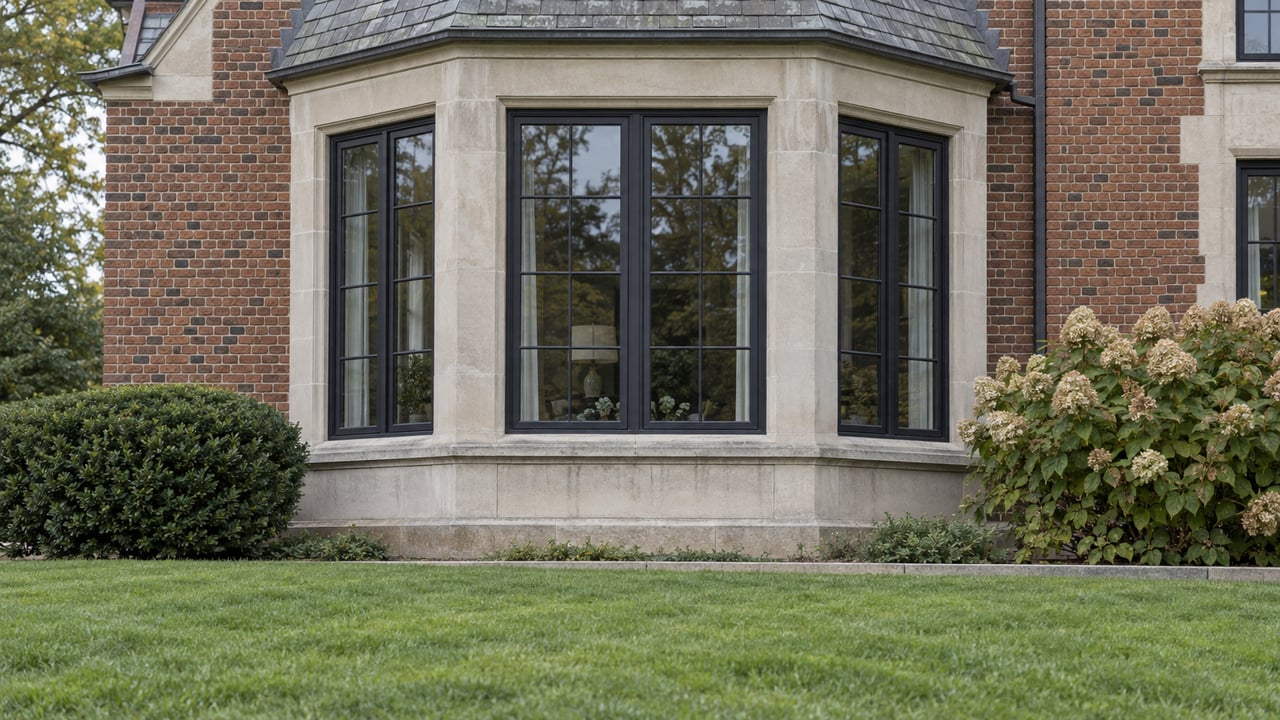
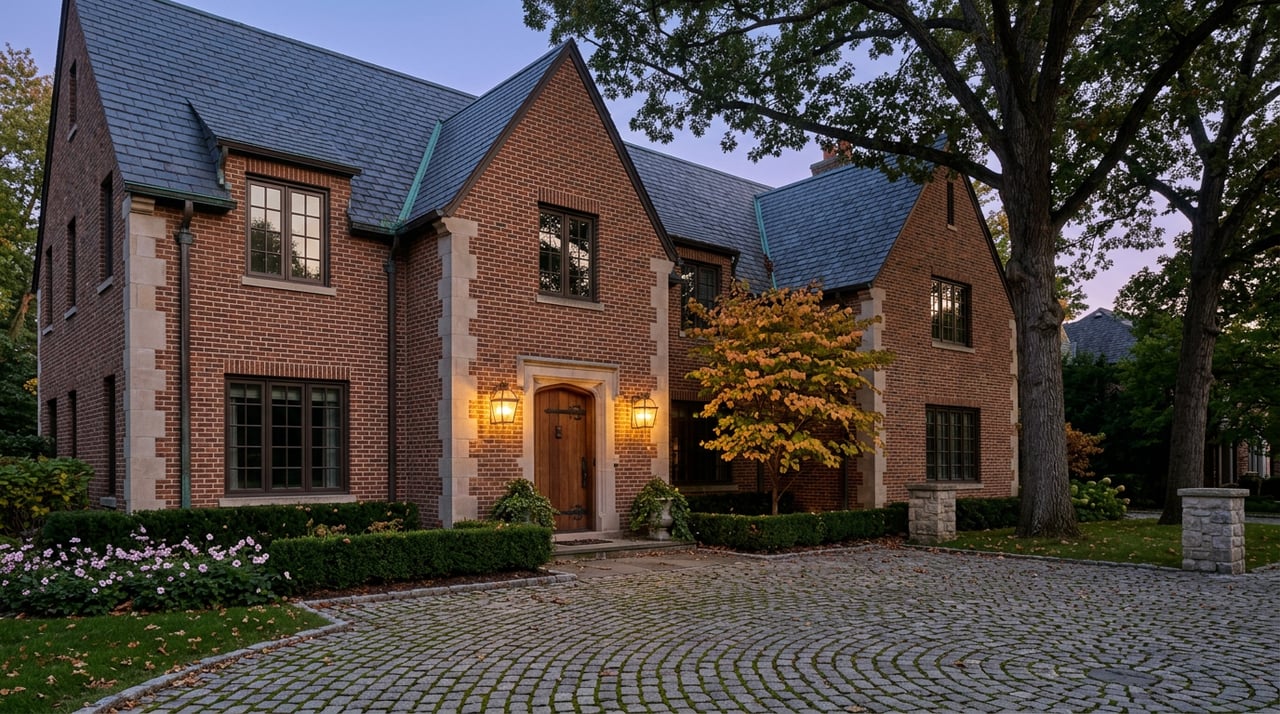
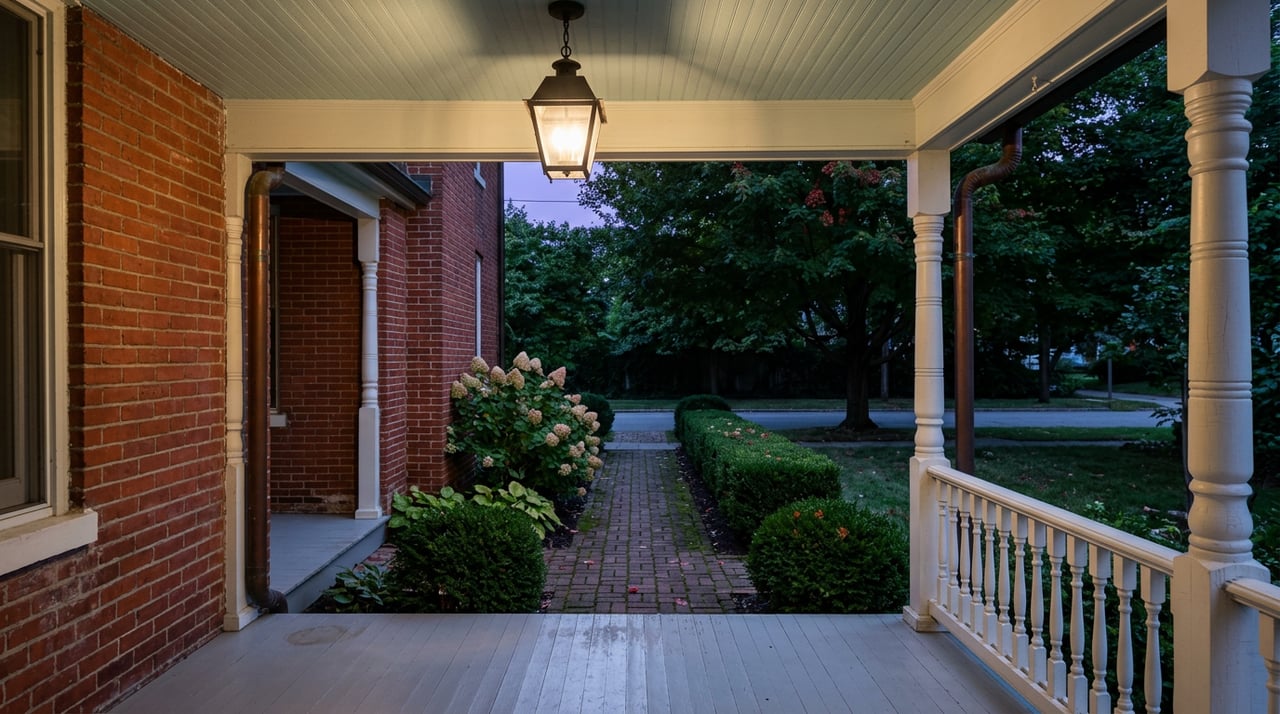
The city’s zoning ordinance and master planning materials also help explain what buyers notice here. Much of the housing stock reflects Colonial Revival and Tudor Revival architecture, with Contemporary, Craftsman, and Mid-Century Modern homes also present. Many homes were built in the 1920s through 1940s, often with details like dormers, metal railings, rectangular massing, and detached garages accessed from alleys.
That context shapes buyer expectations. Census QuickFacts reports a 74.0% owner-occupied housing rate and a median owner-occupied value of $460,500, pointing to a market with a strong owner-occupant base. In other words, many buyers are not just scanning for square footage. They are looking for a home with identity, condition, and a clear sense of care.
When you market a character home in Grosse Pointe Park, the goal is not to make it look like every other listing. The goal is to help buyers recognize the architectural language of the house and understand how it lives today.
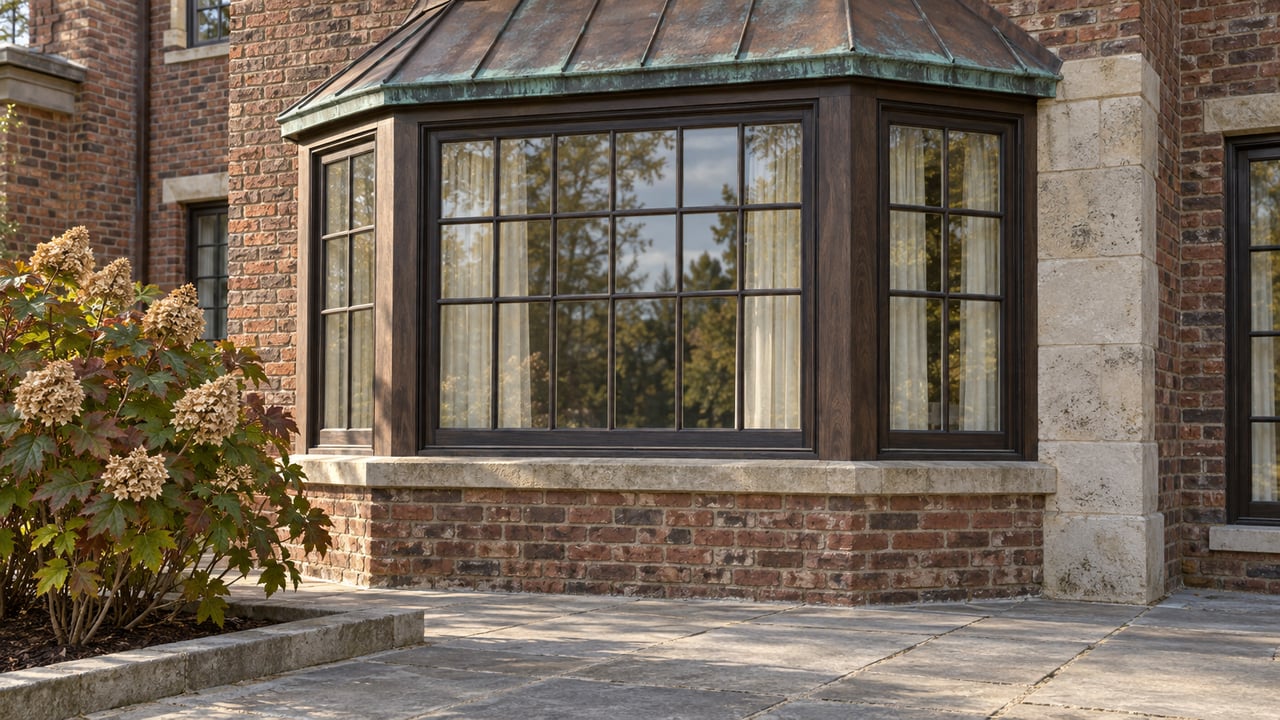
The city’s zoning ordinance is a useful guide. It emphasizes exterior materials, window proportions, entry treatment, roof types, massing, garage placement, and landscaping. That means your listing should highlight the features that make the home feel distinctly Tudor, Colonial, Craftsman, or Mid-Century, rather than relying on generic phrases like “charming” or “updated.”
Specific language usually works harder than vague language. Buyers can better picture value when they read terms such as Colonial Revival, Tudor Revival, pre-WWII, original masonry, dormers, porch, or alley-access garage. Those words tell a more accurate story about what sets the home apart.
For many older homes, the front elevation gets most of the attention. In Grosse Pointe Park, that is not always enough.
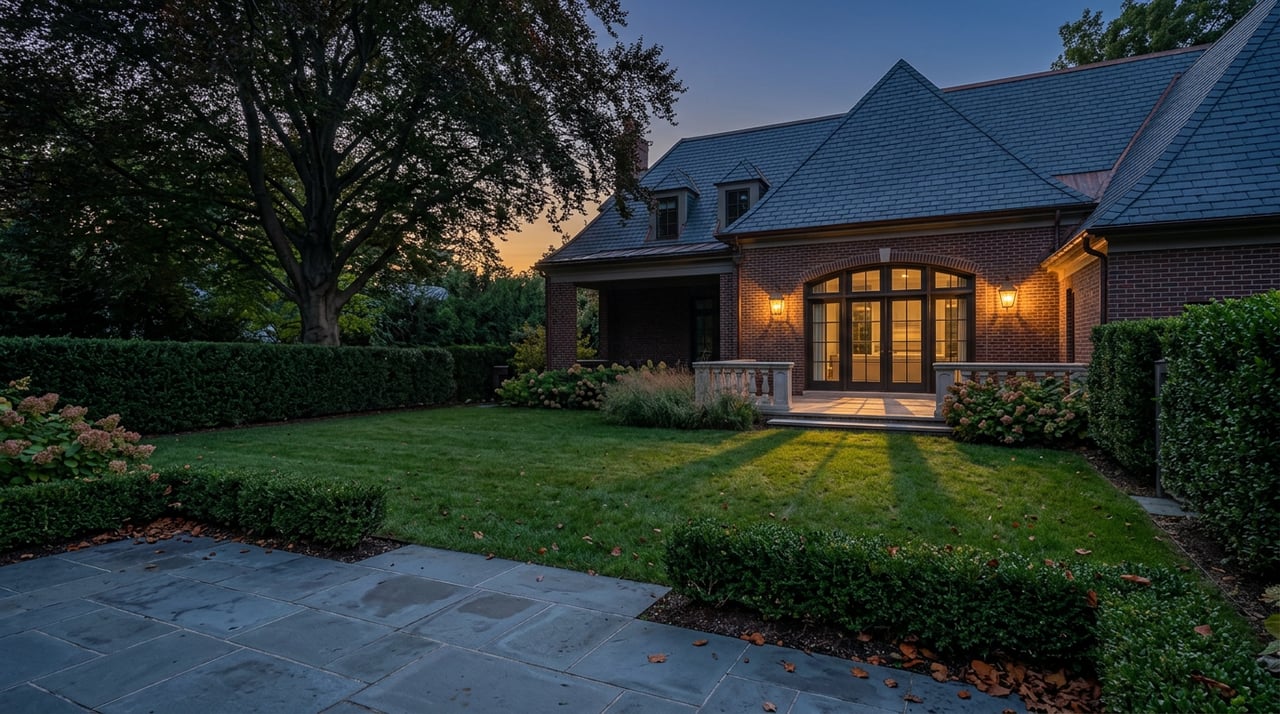
The city’s ordinance calls for all elevations to coordinate and create a full 360-degree finish. For sellers, that is a reminder to show more than the front facade. Rear and side photos can help buyers understand garage placement, lot layout, landscaping, and how the house relates to the site as a whole.
That matters even more in a neighborhood where detached garages and alley access are common. A thoughtful photo set can answer practical questions before a buyer even asks them. It can also make the property feel more complete and better cared for.
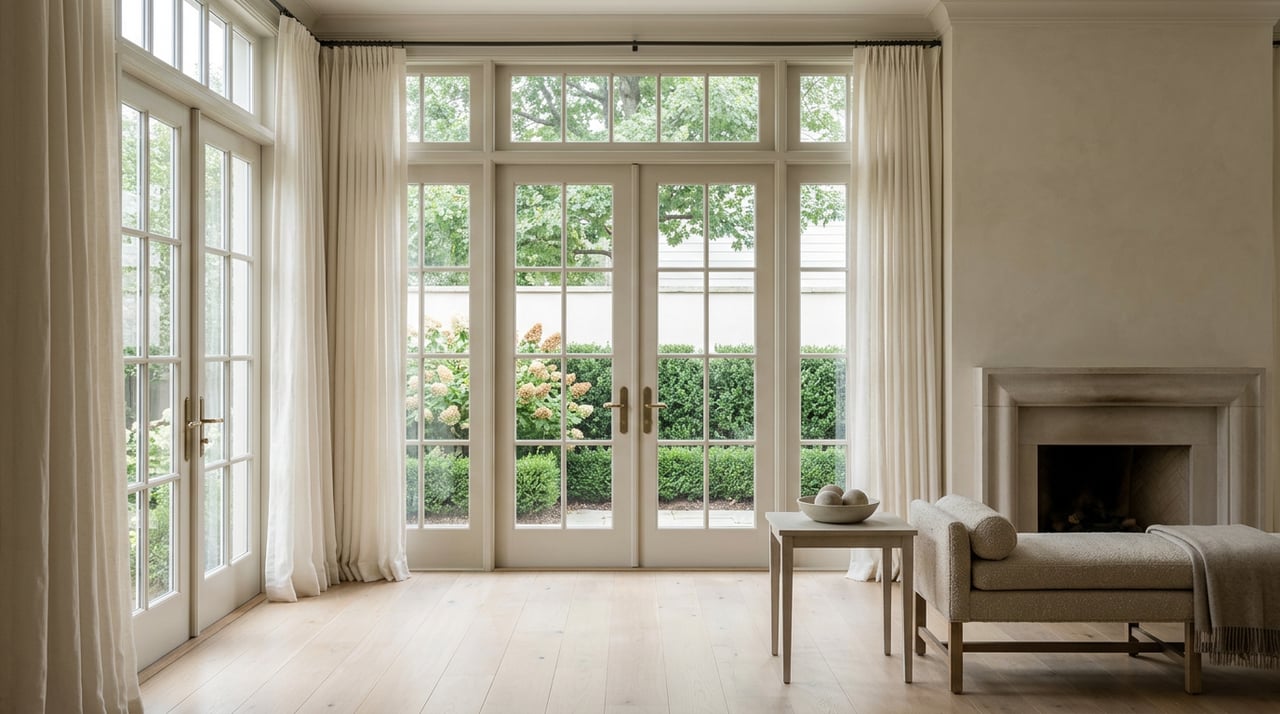
Inside, focus your strongest styling and photography on the rooms that carry the home’s personality. National Association of Realtors staging research found that 83% of buyers’ agents said staging made it easier for buyers to visualize the property as a future home, and 73% said photos were much or more important to clients. The same report found the living room was the most important room to stage, followed by the primary bedroom and kitchen.
In a character home, that usually means paying extra attention to spaces like the entry, living room, stair hall, fireplace wall, and built-ins. These are often the moments buyers remember. The best presentation shows that the home is livable now while preserving the period details that give it depth.
One of the biggest mistakes sellers can make is flattening a home’s identity before it hits the market. In Grosse Pointe Park, small, sympathetic improvements often do more for presentation than dramatic changes.
The city’s ordinance says exterior materials and colors should be natural-toned and compatible with the surrounding district. It also states that design should remain in harmony with neighborhood character. That makes a strong case for preserving original trim, masonry, porches, rooflines, and other defining elements whenever possible.
If you are deciding what to do before listing, think in terms of refinement rather than reinvention. Clean up worn details, correct deferred maintenance, and improve how the home shows. Avoid updates that erase the style cues buyers came to see.
The same design standards apply to substantial renovations and additions, including areas like window types and proportions, porch design, roof slopes, massing, garage treatment, and landscaping. That framework can help you decide which projects are truly worth doing before you go to market.
For older homes, buyers often want reassurance as much as beauty. A polished listing presentation is important, but so is a clear paper trail.
The Grosse Pointe Park Building Department says permits are required for many remodeling projects, including additions, decks, sheds, garages, fencing, furnace and air-conditioning installations, hot tubs, pools, and water heaters. The city also requires a Certificate of Occupancy whenever ownership changes, and code violations must be corrected before the certificate is issued.
That means your pre-listing preparation should go beyond paint colors and landscaping. If you have records for permitted work, inspections, or major maintenance, organize them early. That kind of preparation can reduce friction during the sale and help the home feel responsibly maintained.
This is especially useful when buyers are comparing older properties. A home with clear records often feels easier to trust. It supports the story that the property has been cared for, not just cosmetically improved.
Character homes often make their first impression long before a buyer reaches the front door. In Grosse Pointe Park, the surrounding streetscape helps shape that moment.
The city notes that Grosse Pointe Park has been named a Tree City USA for 43 straight years, and its Beautification Commission promotes beautification and environmental concerns. That local context supports spending time on curb appeal before photos or showings.
Simple work can go a long way. Crisp lawn edges, trimmed shrubs, tidy walkways, and a clean approach to the front entry can make architectural details stand out more clearly. When mature greenery and classic exterior features are presented well, the home often feels more settled and more valuable.
If you want to support the listing with local lifestyle context, it can also help to reference nearby amenities in a factual way. The city notes support for Windmill Pointe Park and Patterson Park through the Grosse Pointe Park Foundation, and Wayne County points to the Park Market and weekly events as part of local life. Used carefully, that context can help buyers picture the setting without overselling it.
With pre-war housing, buyers tend to come in with practical questions. In many cases, the strongest marketing plan answers them before they become objections.
Lead-based paint disclosures are one of the clearest examples. The EPA says federal law requires sellers, landlords, real estate agents, and property managers to disclose known information about lead-based paint and lead-based paint hazards before the sale or lease of most housing built before 1978. The EPA also reports that 87% of homes built before 1940 have some lead-based paint.
Because much of Grosse Pointe Park’s housing predates World War II, that issue is especially relevant here. Sellers should be ready to share any known lead-based paint information, reports, remediation records, or lead-safe renovation information that exists.
Transfer readiness is another important point. Since the city requires a Certificate of Occupancy at change of ownership, a pre-listing walk-through or code review can help prevent surprises later. It also helps your disclosure package feel more organized and complete.
In many sales, buyers will ask about original features, permitted work, lead disclosures, and transfer inspection readiness. Those questions are normal. When you are prepared with clear answers, the home feels easier to understand and easier to move forward on.
The most effective marketing message for a Grosse Pointe Park character home is rarely “everything is brand new.” More often, it is that the home has kept the details that matter, important work has been handled responsibly, and the property is ready for a confident buyer to appreciate.
That story fits the city itself. Grosse Pointe Park’s design standards place value on materials, proportions, compatibility, and neighborhood character. Your listing should do the same.
If you are preparing to sell, a boutique strategy can make a meaningful difference. Thoughtful staging, polished photography, strong narrative copy, and organized pre-listing documentation all help buyers see the home clearly. And when buyers can see both beauty and stewardship, they are more likely to respond with confidence.
If you are thinking about selling a character home in Grosse Pointe Park, Closing and Toasting with Megan Prieur can help you position it with the kind of local insight, premium presentation, and hands-on guidance that older homes deserve.

Buying a home will likely be one of the most expensive purchases of your life and selling your home can be an incredibly emotional experience. When you're making a tough life decision like this, it's imperative that you're working with someone you can depend on, who will be available at a moments notice, and who puts you first.