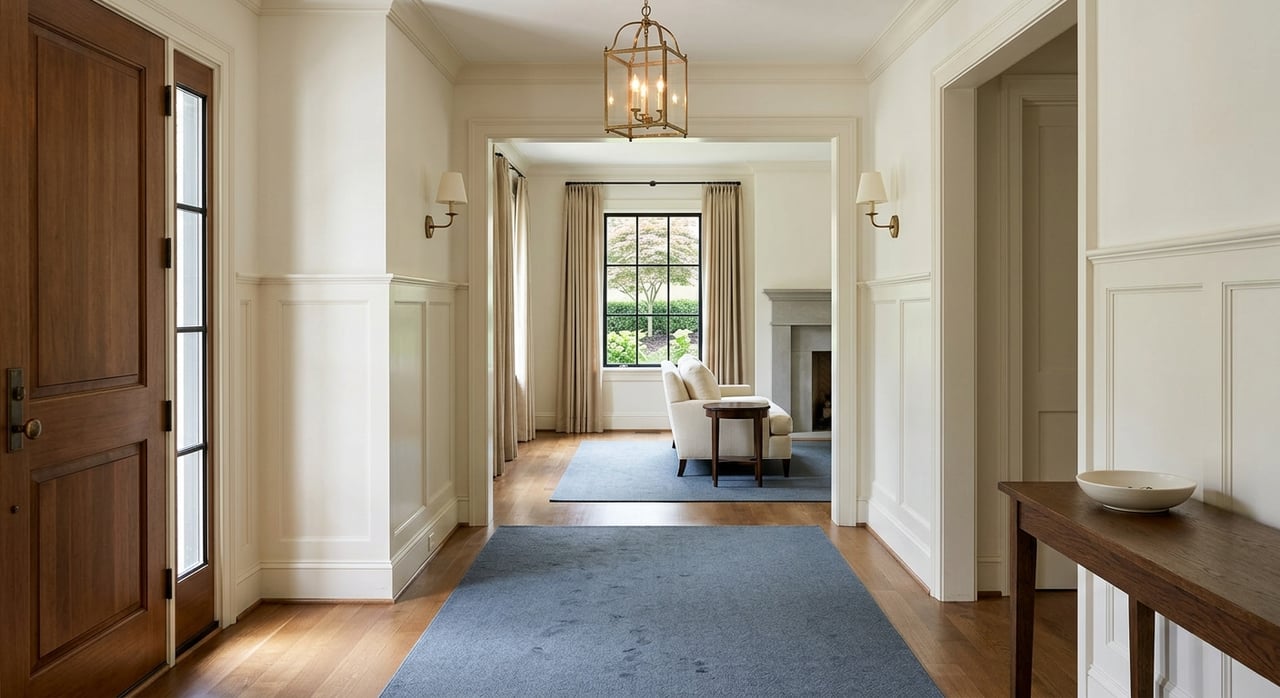
Royal Oak vs Birmingham Homes: Which Area Fits You?
June 11, 2026
June 11, 2026
Trying to choose between Royal Oak and Birmingham? It’s a smart question, because while these two Oakland County communities share some overlap in walkability and location, they offer very different experiences once you look at price, housing style, and daily rhythm. If you want to move with confidence, the real goal is not picking the “better” city. It’s figuring out which one fits your budget, priorities, and the way you want to live. Let’s dive in.
For most buyers, the biggest difference between Royal Oak and Birmingham is price. In April 2026, Redfin reported a median sale price of about $354,817 in Royal Oak. In Birmingham, that figure was about $837,068.
That price gap shapes almost every part of your search. Royal Oak often gives you a more attainable entry point if you want an inner-ring suburb with strong amenities. Birmingham sits in a higher price tier, so you may need to be comfortable paying a premium for location, housing character, and market positioning.
If you are looking at the broader financial picture, Census estimates also show a difference in owner-occupied home values. Royal Oak’s median owner-occupied housing value is $328,700, while Birmingham’s is $698,300. That does not tell you what your next home will cost, but it does reinforce how differently the two markets are priced.
Price is only one part of the story. The shape of the market matters too, especially if you are trying to compete, negotiate, or time a move.
Redfin shows Royal Oak homes averaging 33 days on market with about two offers per listing in April 2026. That suggests a market that is active, but often still manageable for buyers who want some room to evaluate options.
Birmingham’s market is positioned differently. Redfin reported a median sale price above $837,000, and Realtor.com showed a median listing price of $1.30 million in March 2026. If you are shopping there, it helps to be prepared for a premium market where expectations, finishes, and pricing psychology can look very different from nearby communities.
Royal Oak often appeals to buyers who want options. It is the larger city, with an estimated population of 58,211, compared with Birmingham’s 21,813. A larger market can mean a broader mix of housing types, blocks, and price points.
The city also has a strong preservation identity. Royal Oak says it has 15 historic districts, and its master plan highlights the appeal of its lower-scale neighborhood fabric and homes with character. That gives many areas a lived-in, established feel rather than a one-note housing look.
Historically, Royal Oak’s early growth brought in bungalow, Arts and Crafts, Foursquare, Tudor Revival, and Dutch Colonial homes, according to the Royal Oak Historical Society summary. Today, that helps explain why the housing stock often feels mixed, with older character homes, postwar housing, and some newer infill.
If you like the idea of seeing a range of styles and price points in one search, Royal Oak may feel more flexible. That can be especially helpful if you are balancing budget with walkability or want to stay open-minded about home style.
Birmingham tends to feel more polished and more tightly curated from an architectural and market standpoint. It is a smaller city, and its housing market sits at a much higher price point. Census estimates put Birmingham’s median household income at $153,510, compared with $101,109 in Royal Oak, which helps frame the overall market context.
The city’s preservation culture is also more formalized. Birmingham is working on a Historic Preservation Master Plan and has launched historic design guidelines for preservation review. That tells you preservation is not just part of the local identity. It is an active planning priority.
The Birmingham Historical Society notes 45 important house types in the city, including Bungalow, Cottage, Ranch, Split-Level, Classical Revival, Tudor, Prairie, and Craftsman. It also highlights early prevalence of cottages and Queen Anne styles. For a buyer, that can translate into a market that feels more architecturally intentional and more design-conscious overall.
If you want a smaller, more refined downtown setting and are comfortable with the price premium, Birmingham may align better with your goals. It often appeals to buyers who value a more elevated resale environment and a strong sense of architectural identity.
If walkability is high on your list, both cities deserve a look. Walk Score rates Royal Oak at 57 and Birmingham at 60, placing both in the walkable suburban range. Birmingham has a slight edge by score, but the daily experience depends on where you live within each city.
Royal Oak makes walkability a stated priority on its official site. The city also points residents to practical transportation options through its Getting Around page, including the Amtrak Royal Oak Station, SMART Bus information, and biking routes. Its downtown is described as pedestrian-friendly, with brick paving, street furniture, patios, and other walk-oriented features.
Birmingham also leans heavily into pedestrian planning. The city adopted a Complete Streets resolution, built a multi-modal transportation plan, and reconstructed Old Woodward with curb bump-outs, mid-block crosswalks, accessible parking, and other pedestrian-focused improvements.
In simple terms, both communities support a walkable lifestyle. Royal Oak appears a bit more transit-friendly based on city resources, while Birmingham’s walkability seems especially concentrated around its downtown core and street design improvements.
Commute time alone probably should not decide this choice. Census data shows Royal Oak with a mean commute time of 23.8 minutes and Birmingham at 20.3 minutes. That is a difference, but not a dramatic one for most buyers.
Where access may matter more is road network and regional positioning. Royal Oak sits near I-75, I-696, Woodward Avenue, and the 10, 12, and 14 Mile corridor, which can make it feel highly connected for day-to-day travel across the metro area.
Birmingham is about 20 miles north of downtown Detroit. Depending on where you work and how often you commute, that location may suit you well, but the bigger decision point is usually not commute time. It is the mix of budget, home style, and the kind of downtown environment you want around you.
The easiest way to choose between Royal Oak and Birmingham is to think in layers. Start with what you want to spend, then look at lifestyle, then get specific about the home itself.
Ask yourself these questions:
For many buyers, Royal Oak makes sense when value and variety are top priorities. Birmingham often makes sense when you are intentionally buying into a premium market and want the housing character and downtown setting that come with it.
| Factor | Royal Oak | Birmingham |
|---|---|---|
| Median sale price | $354,817 | $837,068 |
| Population | 58,211 | 21,813 |
| Walk Score | 57 | 60 |
| Mean commute time | 23.8 minutes | 20.3 minutes |
| Housing feel | Broader mix of older homes, postwar homes, and infill | More preservation-focused and curated |
| Best fit for | Buyers seeking flexibility and variety | Buyers comfortable with a premium price point |
There is no universal winner here. Royal Oak and Birmingham both offer walkability, established neighborhoods, and strong local identity, but they serve different buyer goals.
If you want broader affordability, more variety, and a larger market to search, Royal Oak may be the stronger fit. If you want a more premium market, a more formal preservation culture, and a smaller downtown setting, Birmingham may be worth the higher price of entry.
The best next step is to compare the neighborhoods through the lens of your real budget, your must-haves, and how you want daily life to feel once the boxes are unpacked. If you’re weighing Royal Oak, Birmingham, or another Oakland County move, Closing and Toasting with Megan Prieur offers thoughtful, boutique guidance to help you narrow the options and move forward with clarity.

Buying a home will likely be one of the most expensive purchases of your life and selling your home can be an incredibly emotional experience. When you're making a tough life decision like this, it's imperative that you're working with someone you can depend on, who will be available at a moments notice, and who puts you first.